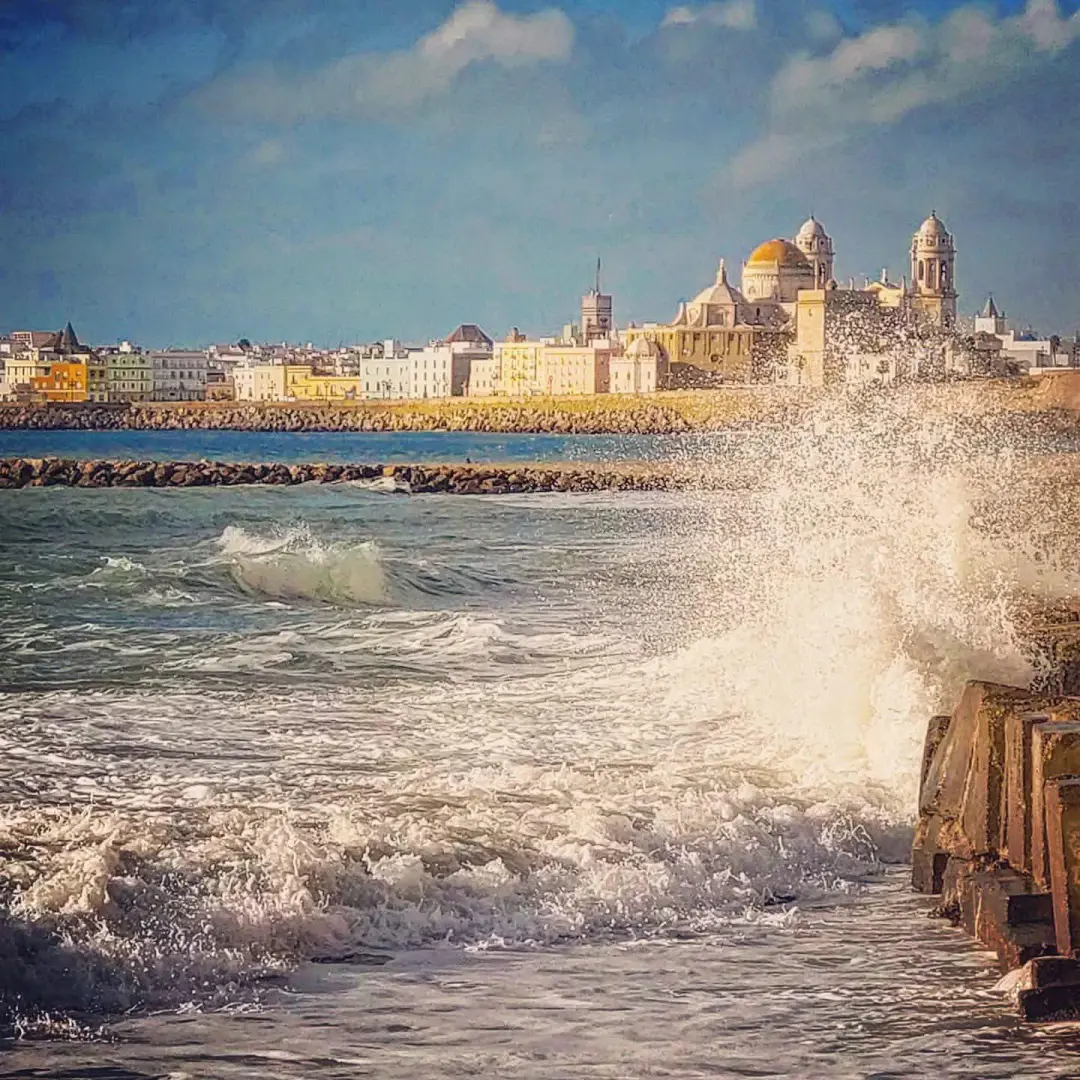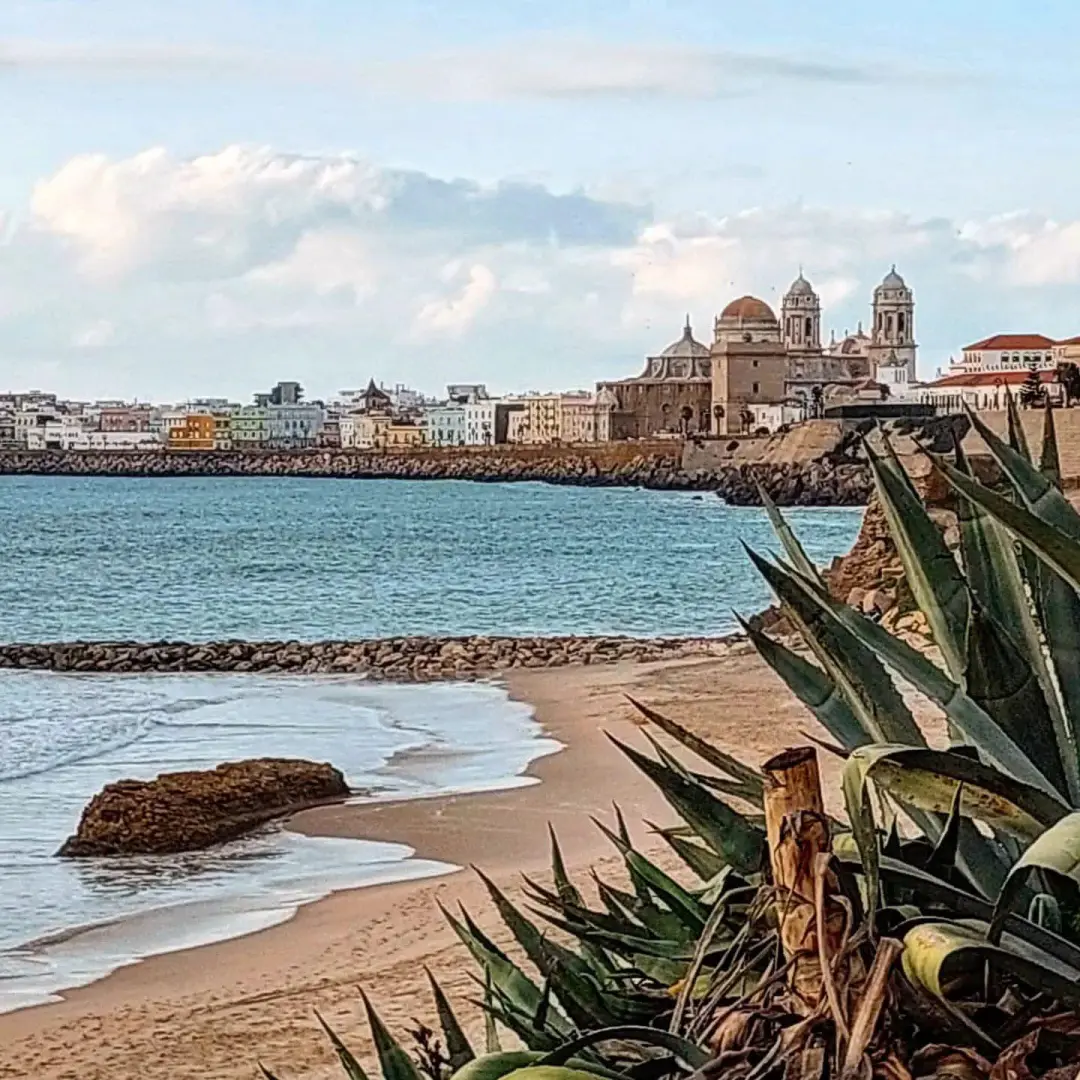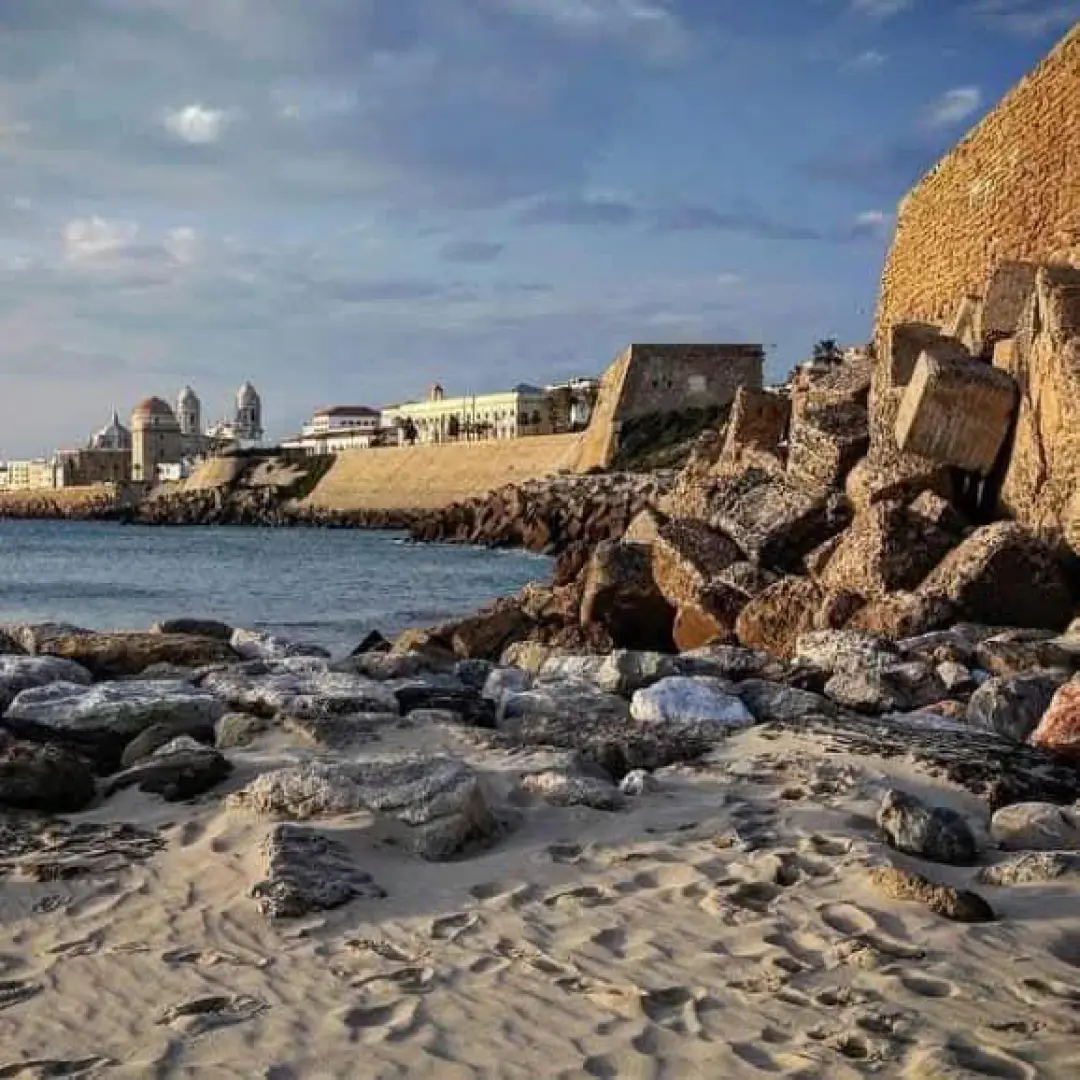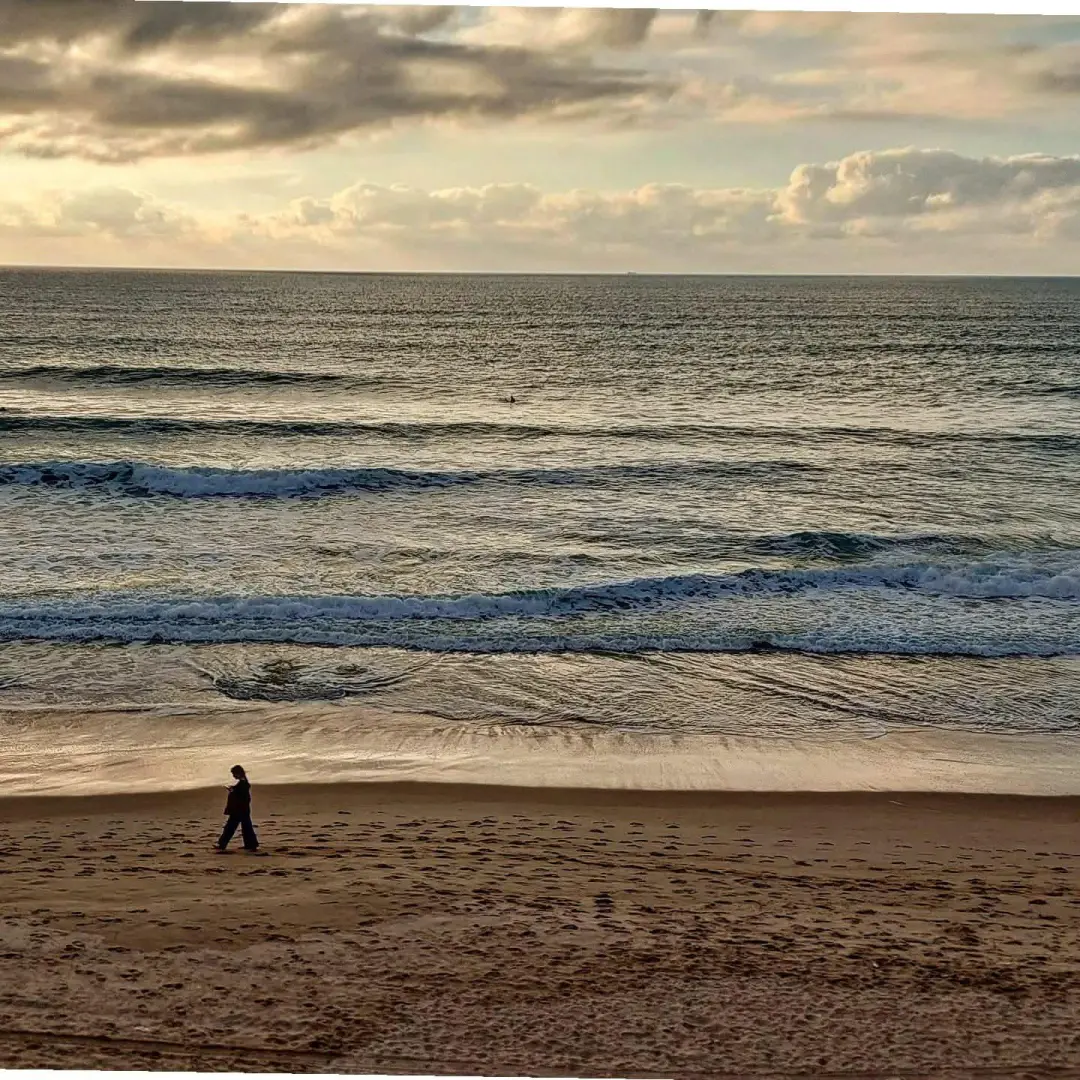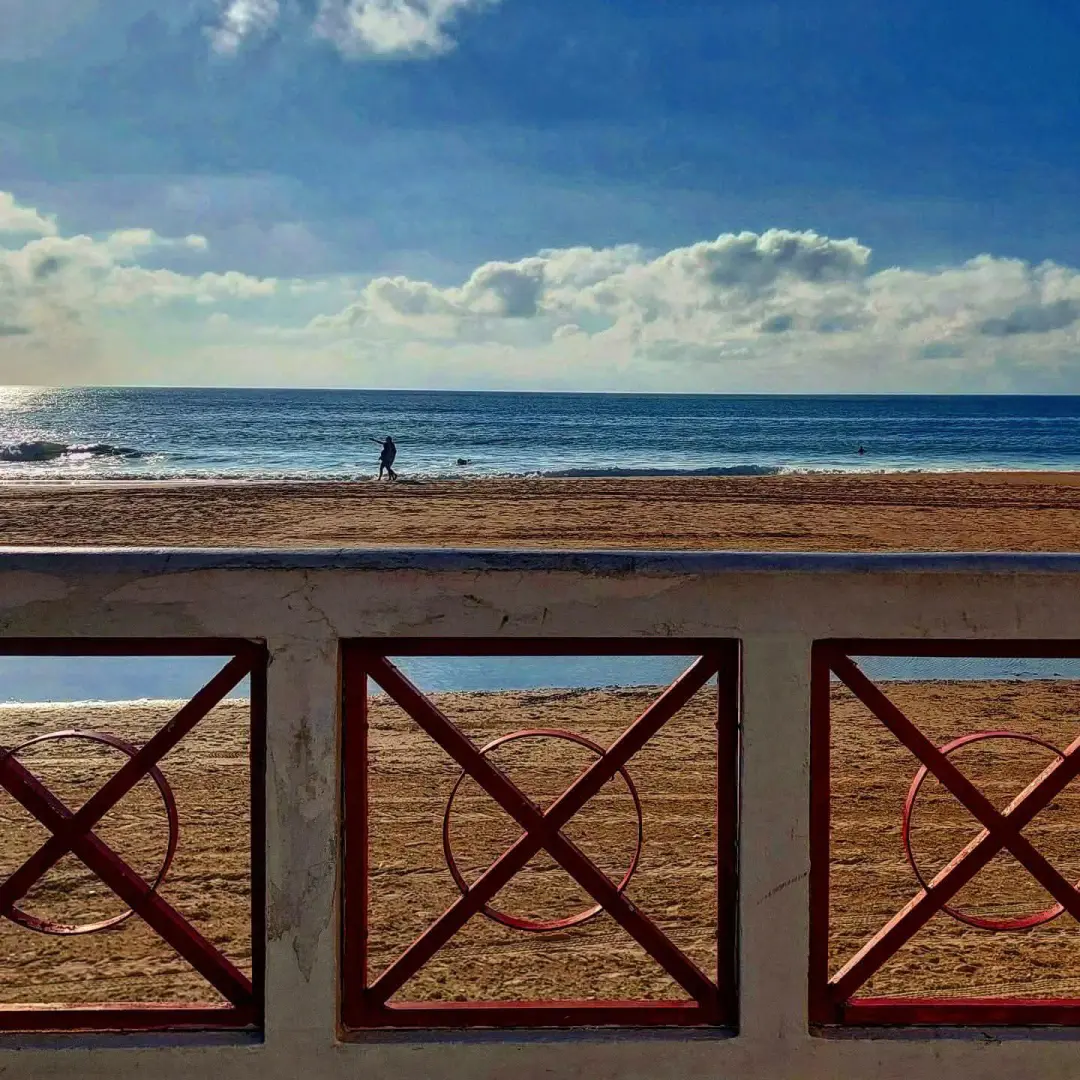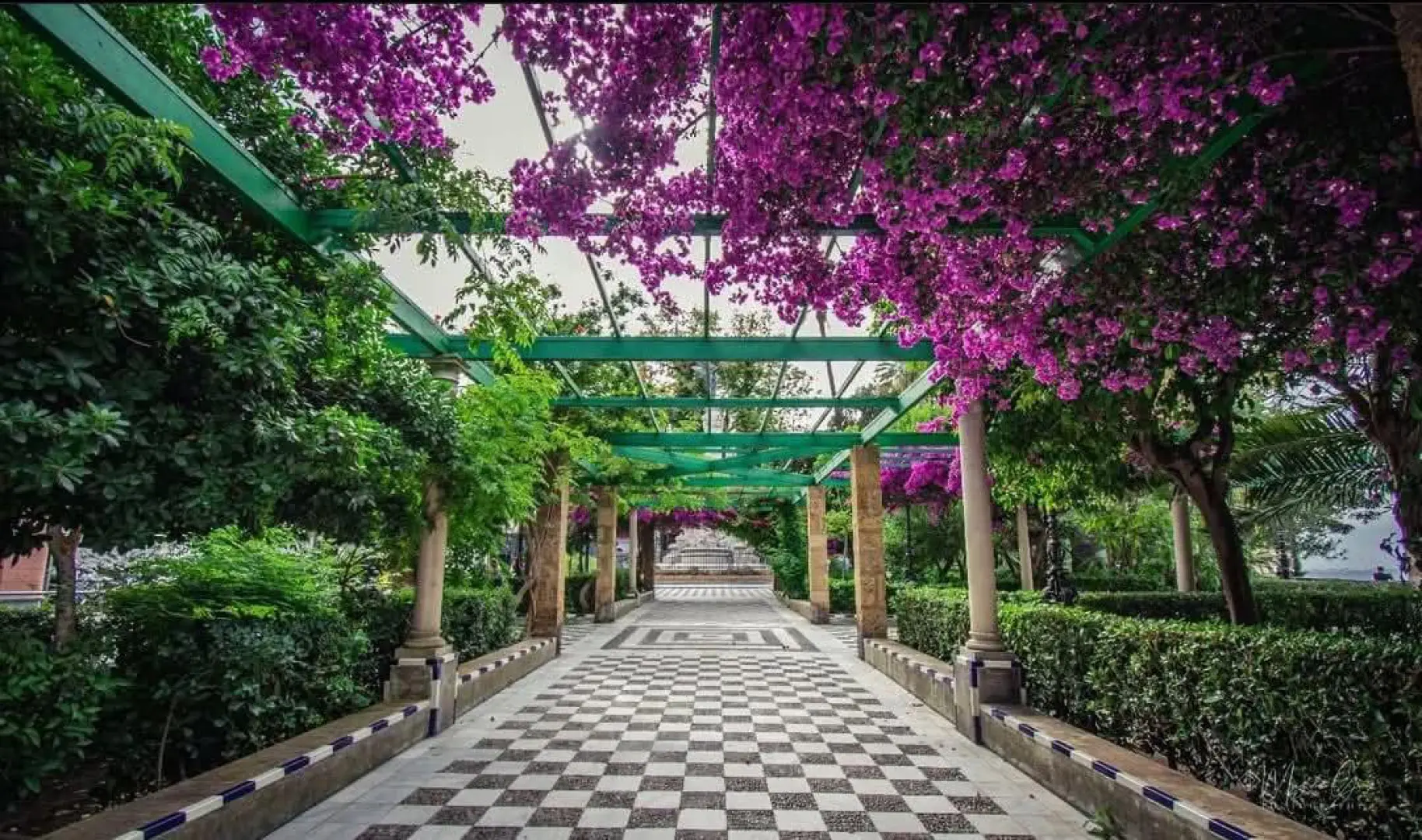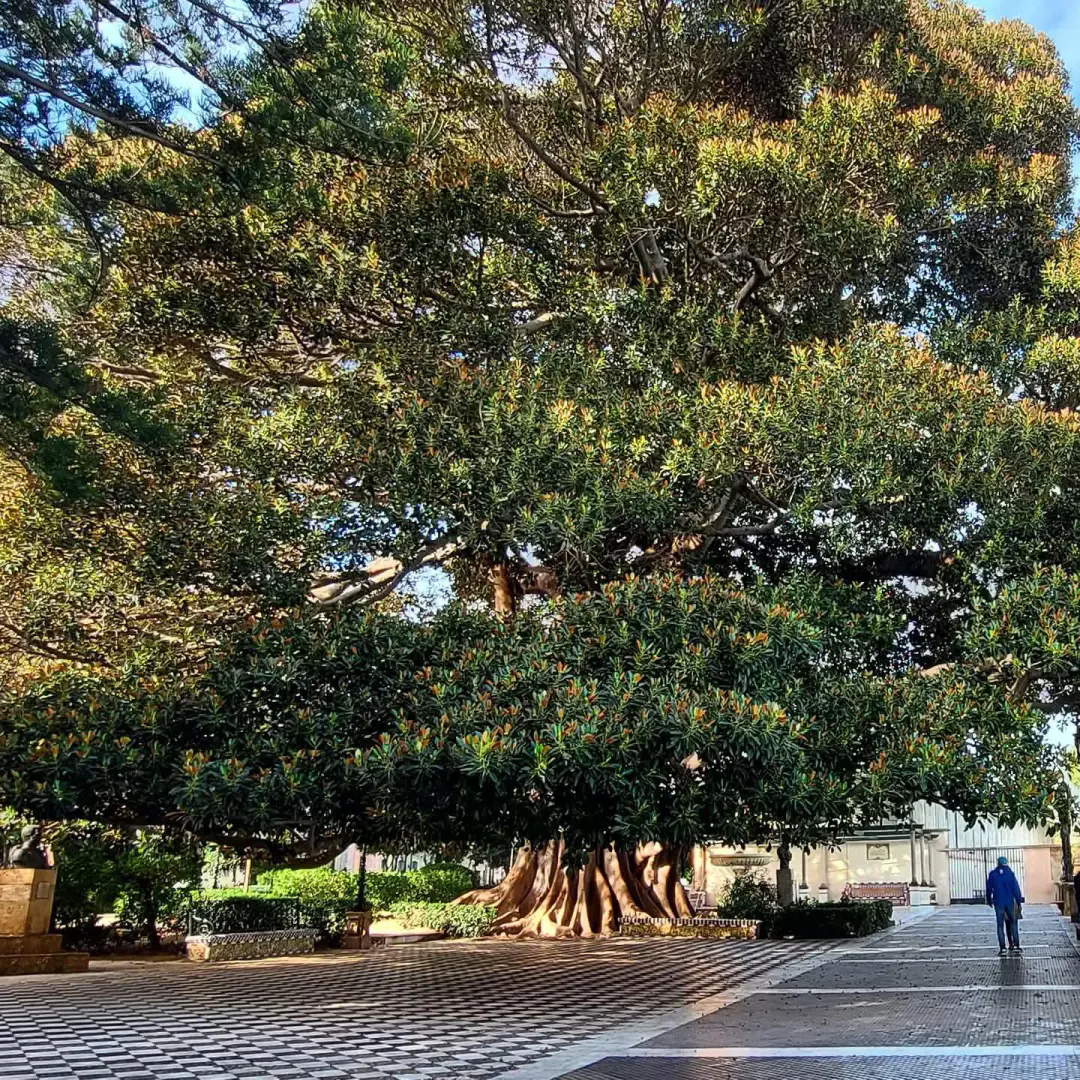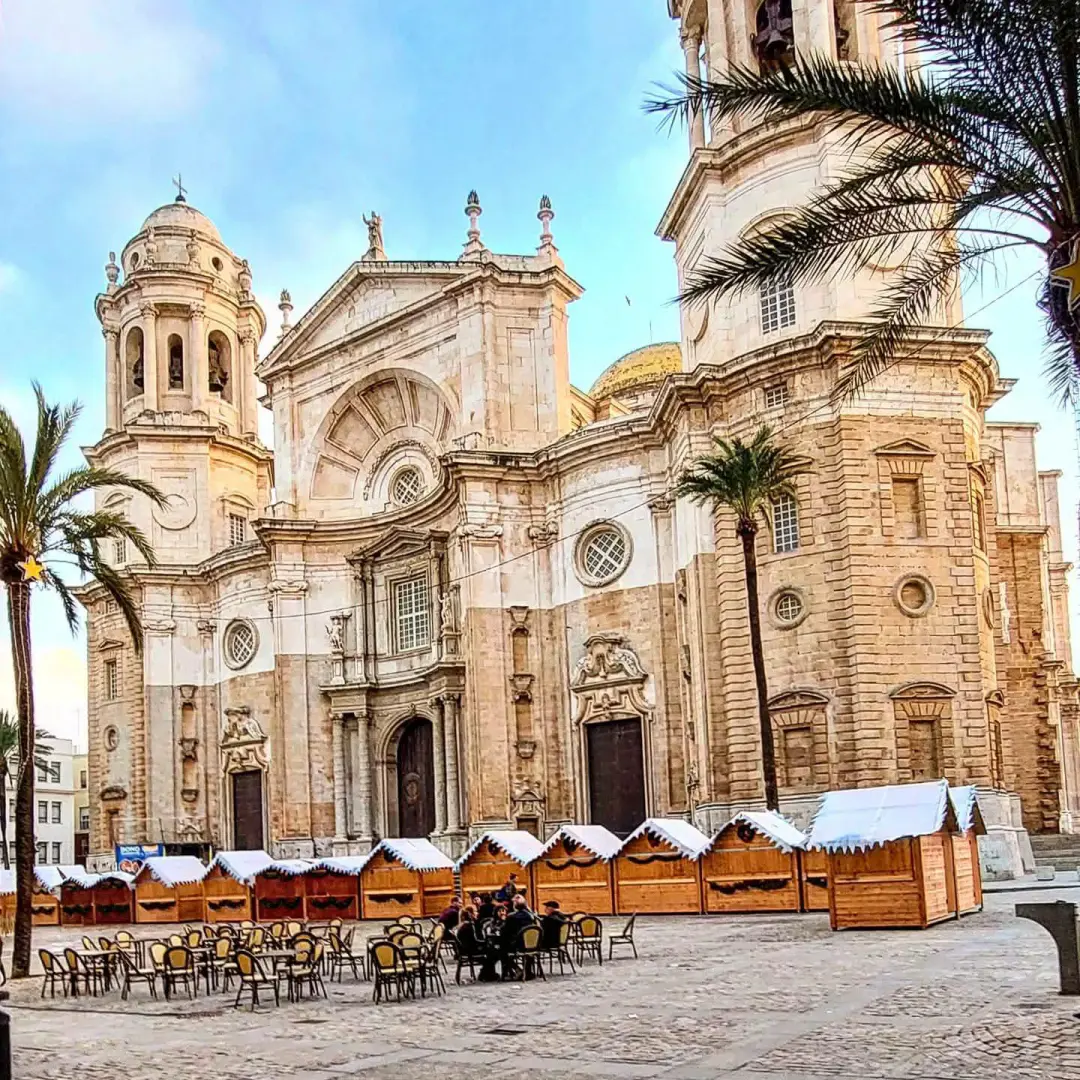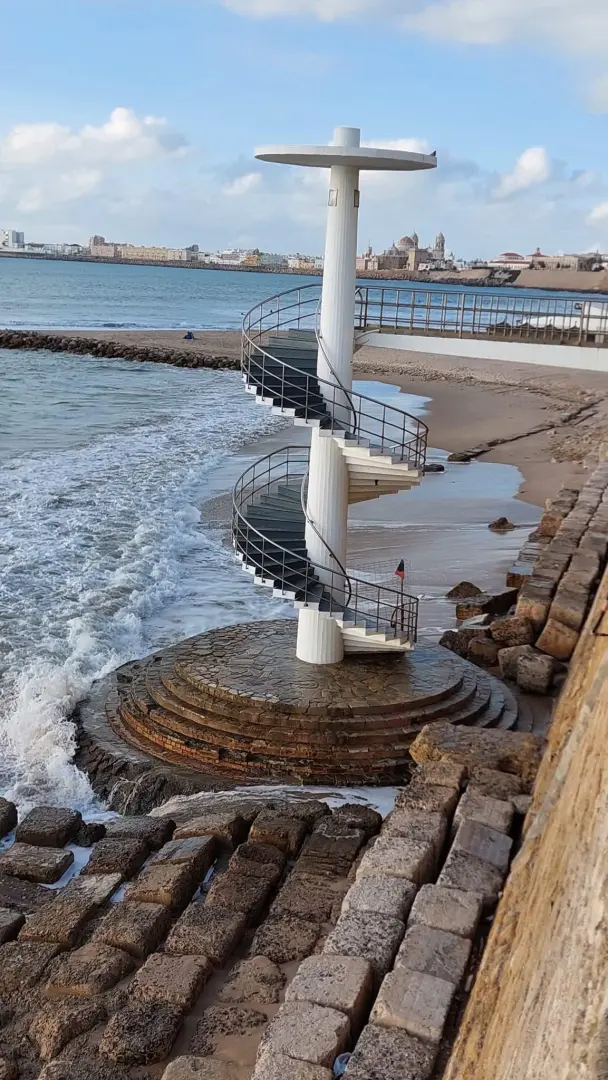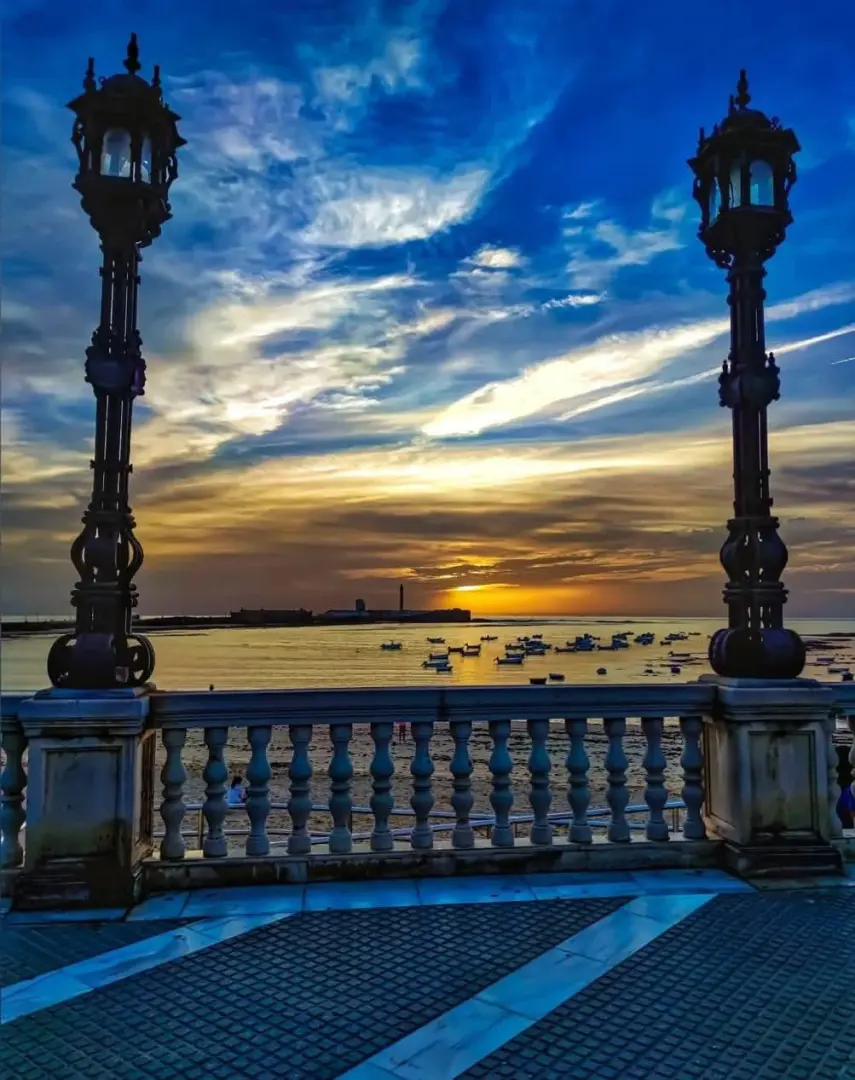
After all the weather drama, the changed plans, the endless consultations with the forecast, and the internal battles against the cold, we finally made it south. To Cádiz.
Cádiz isn't just a city. Cádiz is a state of mind. It's that moment when you're in short sleeves, sipping coffee by the sea, and wondering why you ever believed winter could be nice anywhere else.
Cádiz is considered the oldest continuously inhabited city in Western Europe. It was founded by the Phoenicians around 1100 BC, which means this city is old enough to have more stories than your grandmother — and all of them are true, just slightly embellished. Romans, Moors, merchants, sailors, pirates, colonial fat cats, and probably a few people who simply got lost and stayed have all passed through Cádiz.
In the 18th century, Cádiz was Spain's main gateway to the Americas — a city of gold, silver, sugar, and egos. Money flowed in rivers, the architecture grew, the churches competed over who could be the most gilded, and the city decided to be beautiful — just in case, for the next thousand years.
THE CITY THE SEA WRAPS ITS ARMS AROUND
Cádiz is practically an island. The Atlantic embraces it from every side, which means: wind that rearranges your hairstyle without asking permission, salt in the air, and the feeling that you're standing at the edge of the world the whole time.
The old town is a labyrinth of narrow streets, balconies, white façades, and shaded little corners. You don't walk straight here — you wander. On purpose.
Every turn hides a bar, a square, or someone laughing loudly. Because in Cádiz, people talk loudly, laugh even louder, and live without a handbrake.
THE PEOPLE: PHILOSOPHERS WITH A BEER IN HAND
If I had to describe the people of Cádiz in one word, it would be: relaxed. In two words: relaxed and funny.
Everyone here has an opinion, everyone has a joke, and everyone has time. Nobody's in a hurry. If someone says "right now," that means somewhere between now and an hour from now. If they say "mañana," it means stop asking.
Humor is a survival skill here. Sarcasm is the mother tongue. And if there's one kind of fool who truly knows how to laugh at themselves, it's the Andalusians — especially the ones in Cádiz.
FOOD: THE SEA ON A PLATE
The food in Cádiz is simple, fresh, and uncomplicated. Because when you've got the sea right in front of you, you don't need philosophy — you need a frying pan.
The local classics: pescaíto frito — little fried fish, light as air and dangerously addictive; tortillitas de camarones — thin, crispy shrimp fritters that disappear faster than the first round of beer; fresh fish, shellfish, squid, and anything that was still swimming that morning.
And yes, you dip everything in bread. Always. Because if you're not mopping up the sauce, you're a tourist.
In Cádiz, life happens outside. On the street. In the square. By the sea. On a bench. In a bar. Between two bars.
Nobody here closes their windows, because: life has to be heard, the neighbor has to know what you're cooking, and the music has to circulate.
Siesta? Of course. Dinner at 9 p.m.? The bare minimum. Nightlife? Absolutely. Here, the rhythm of life moves like the sea — no schedule, but it all makes perfect sense.