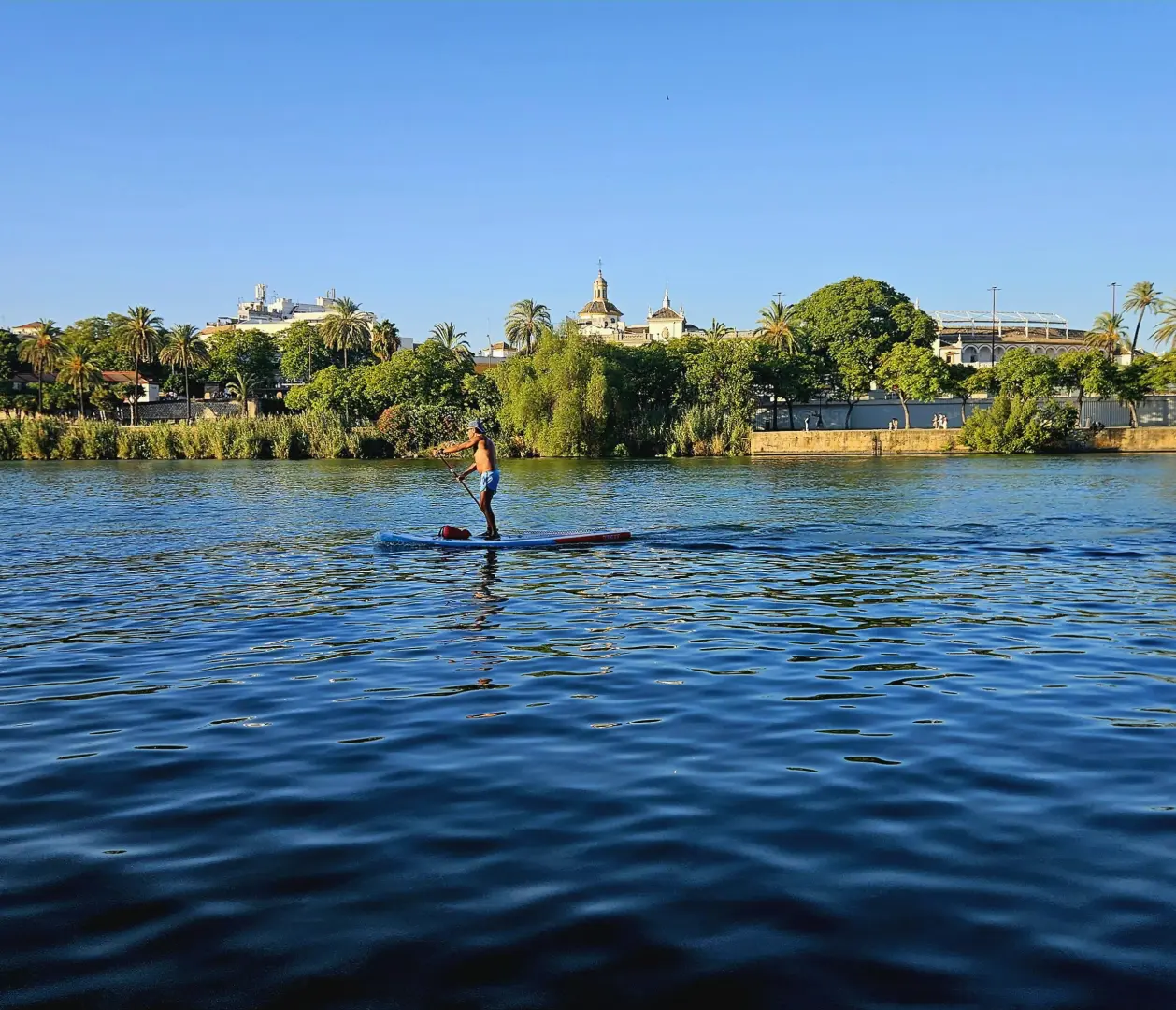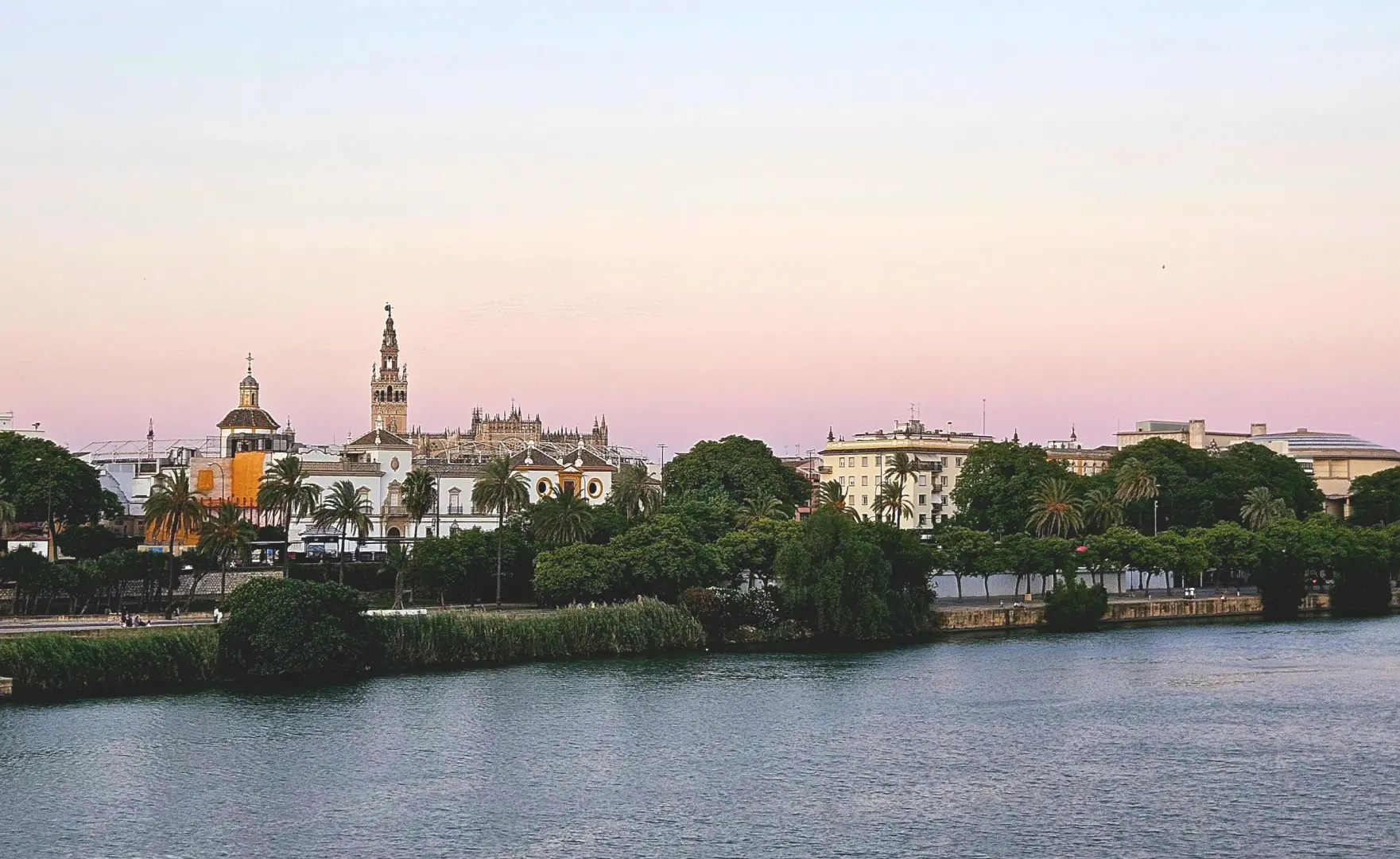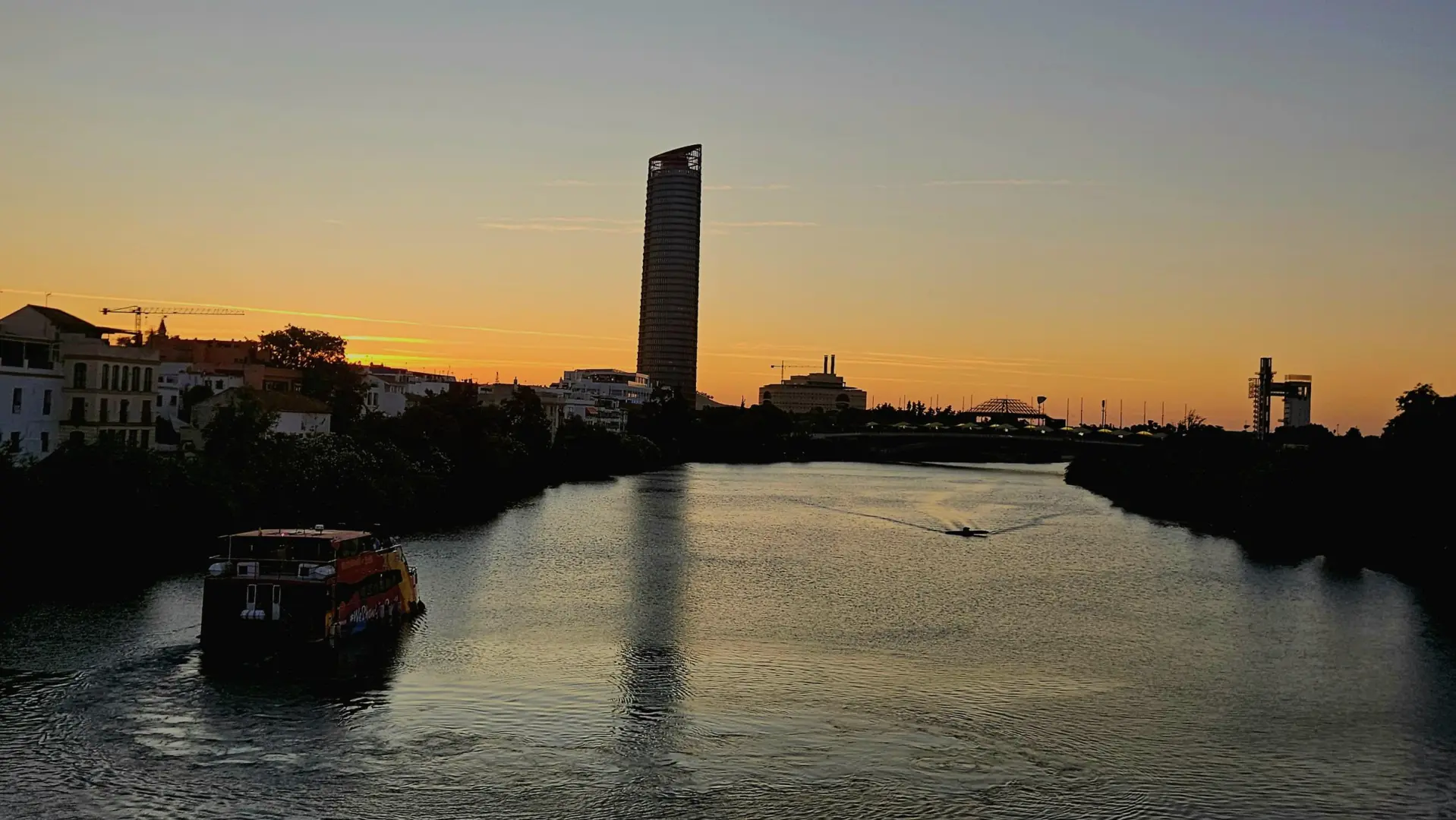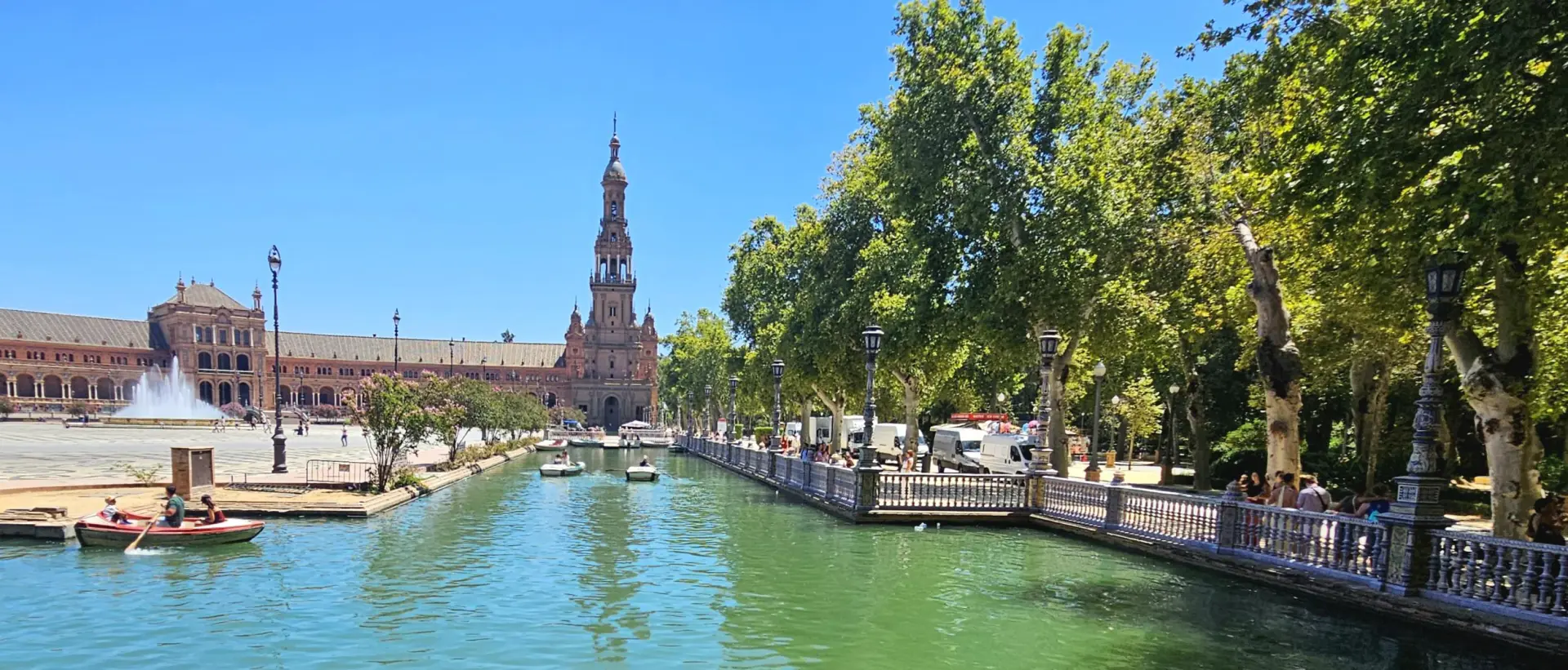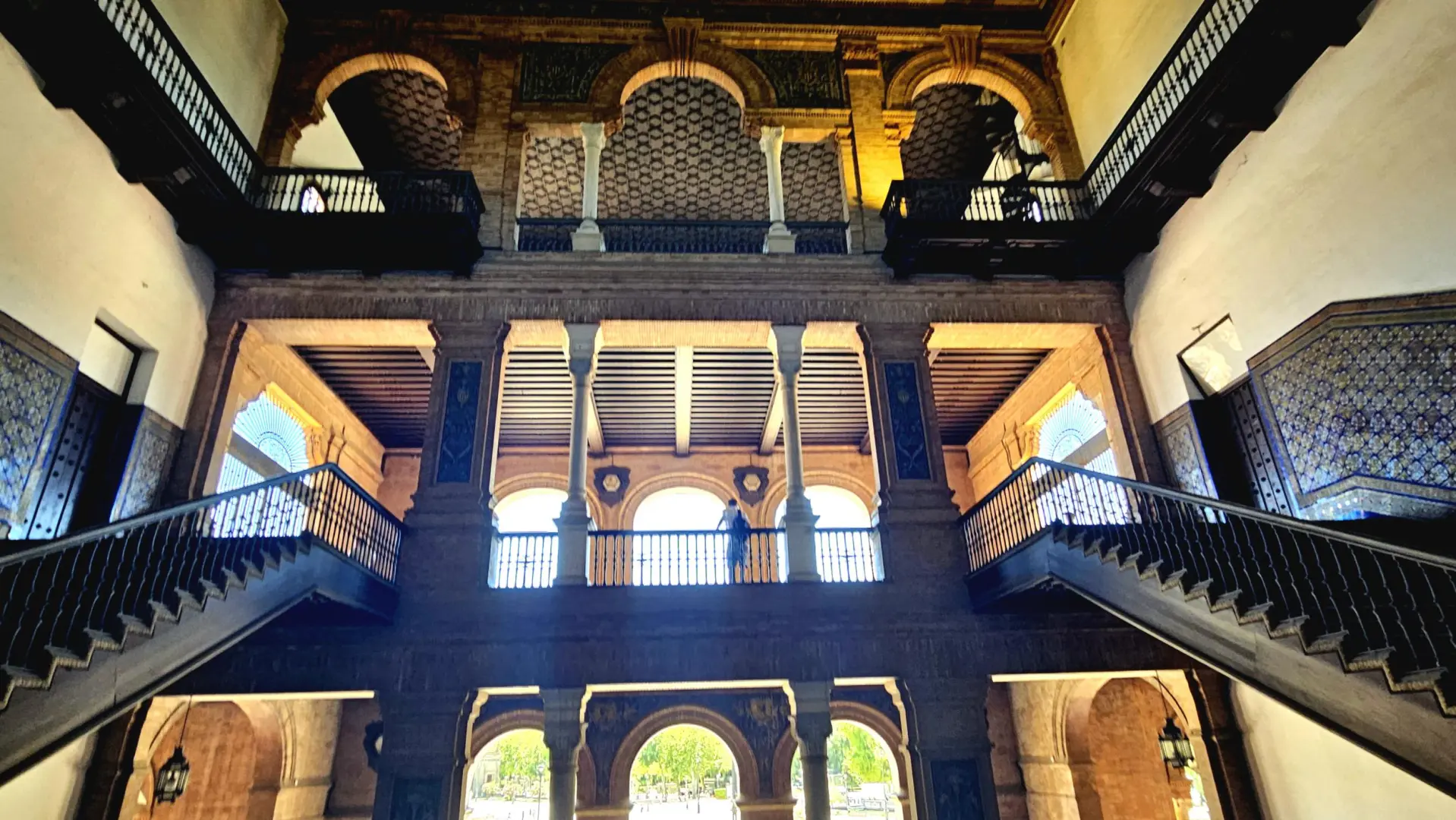
Seville is the capital and largest city of Andalusia, known for its rich historical architecture, scorching summers, and beautiful parks. Over the centuries, many different cultures have passed through the city, leaving their vibrant marks on its music, architecture, and, of course, its people. While Seville boasts many Renaissance and Baroque elements, the influence of Arabic culture is visible on almost every corner—just like in most cities in southern Spain.
Although Seville is the fourth-largest metropolitan area in Spain, it often feels like a large village, full of narrow streets and cozy green corners. Today, the city thrives mainly on industry, its reputable university, and booming tourism, as many people want to experience one of the most beautiful and historically rich cities in the country.
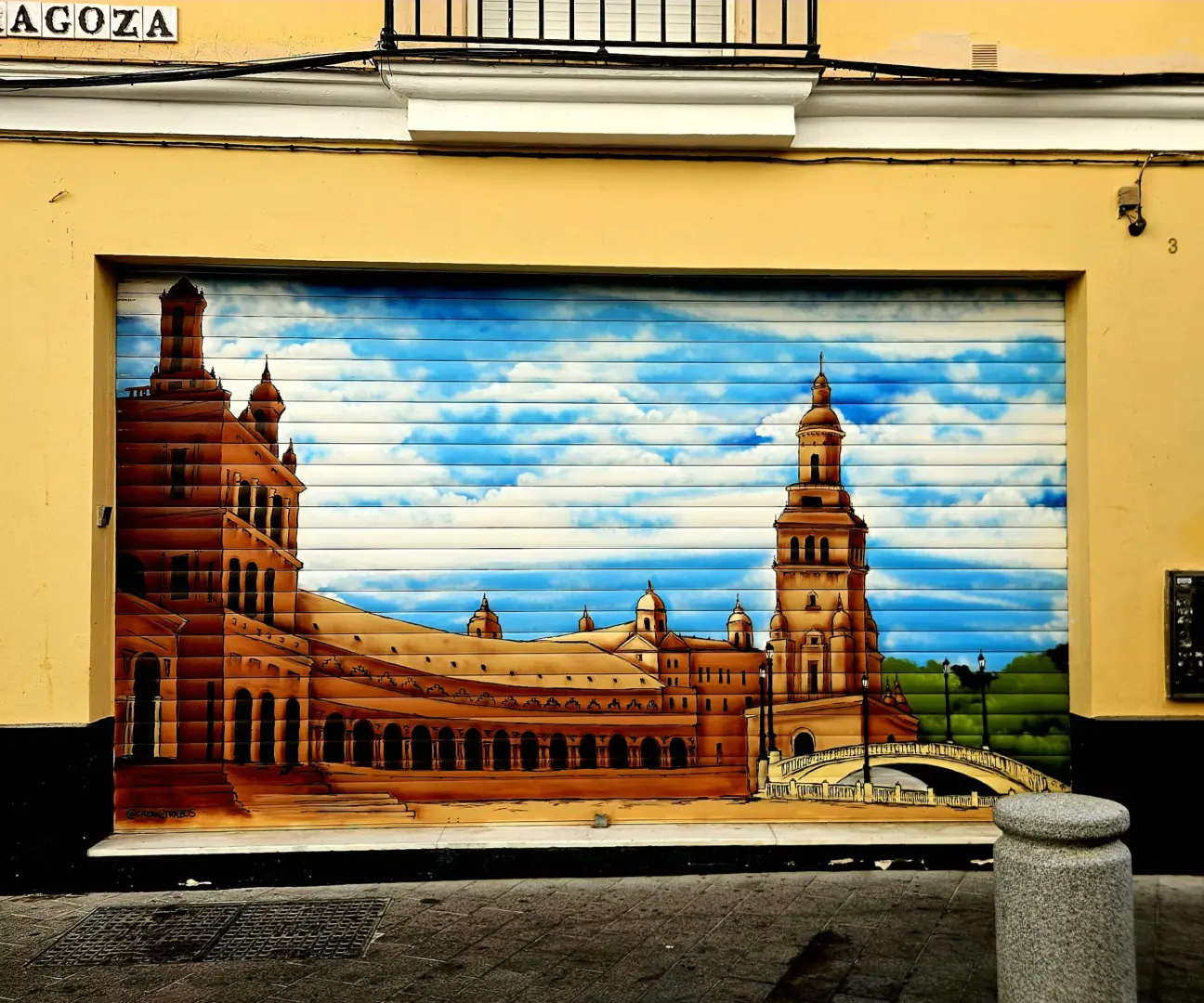
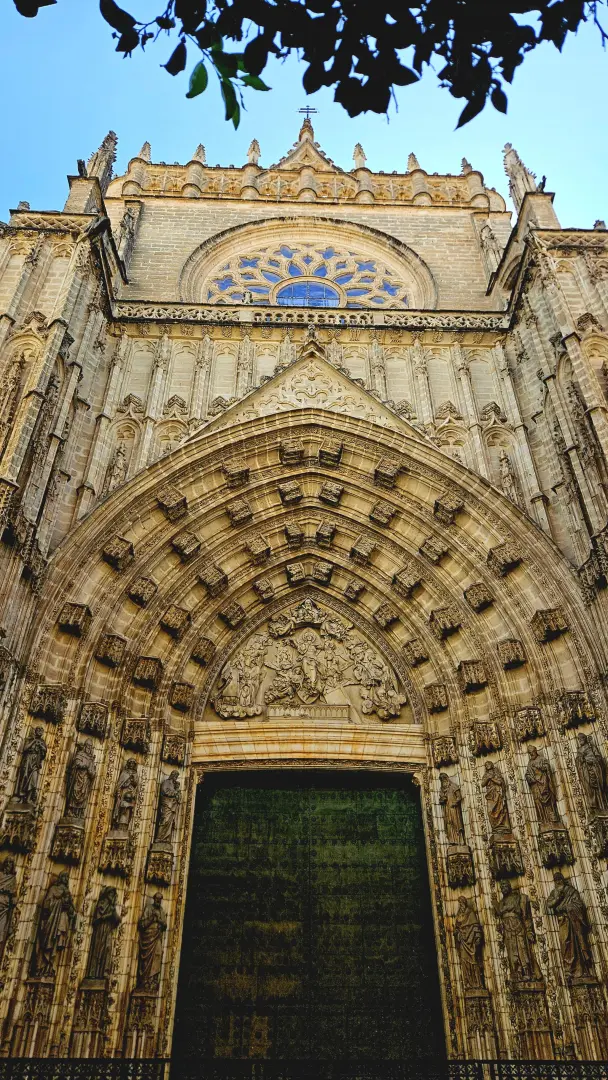
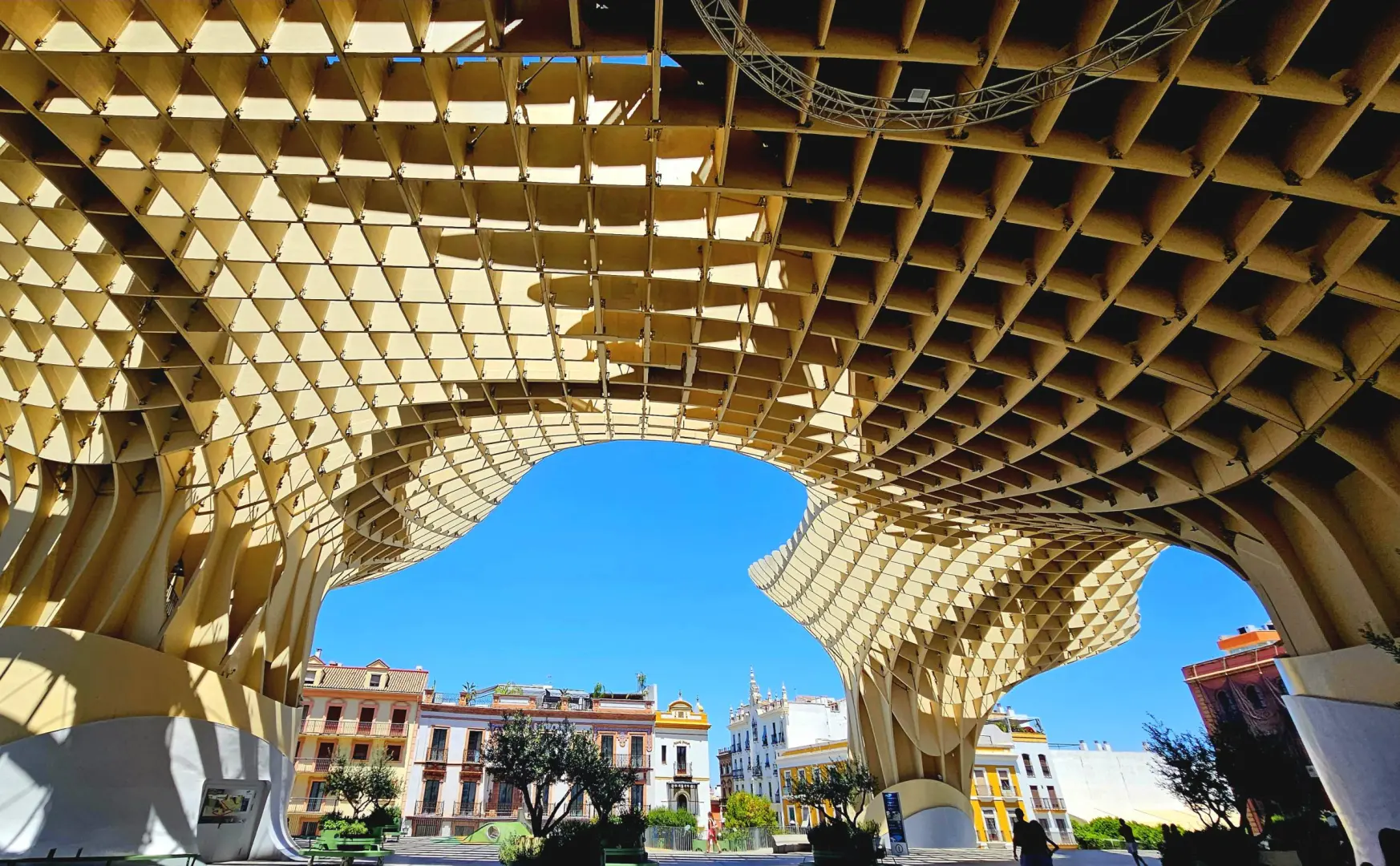
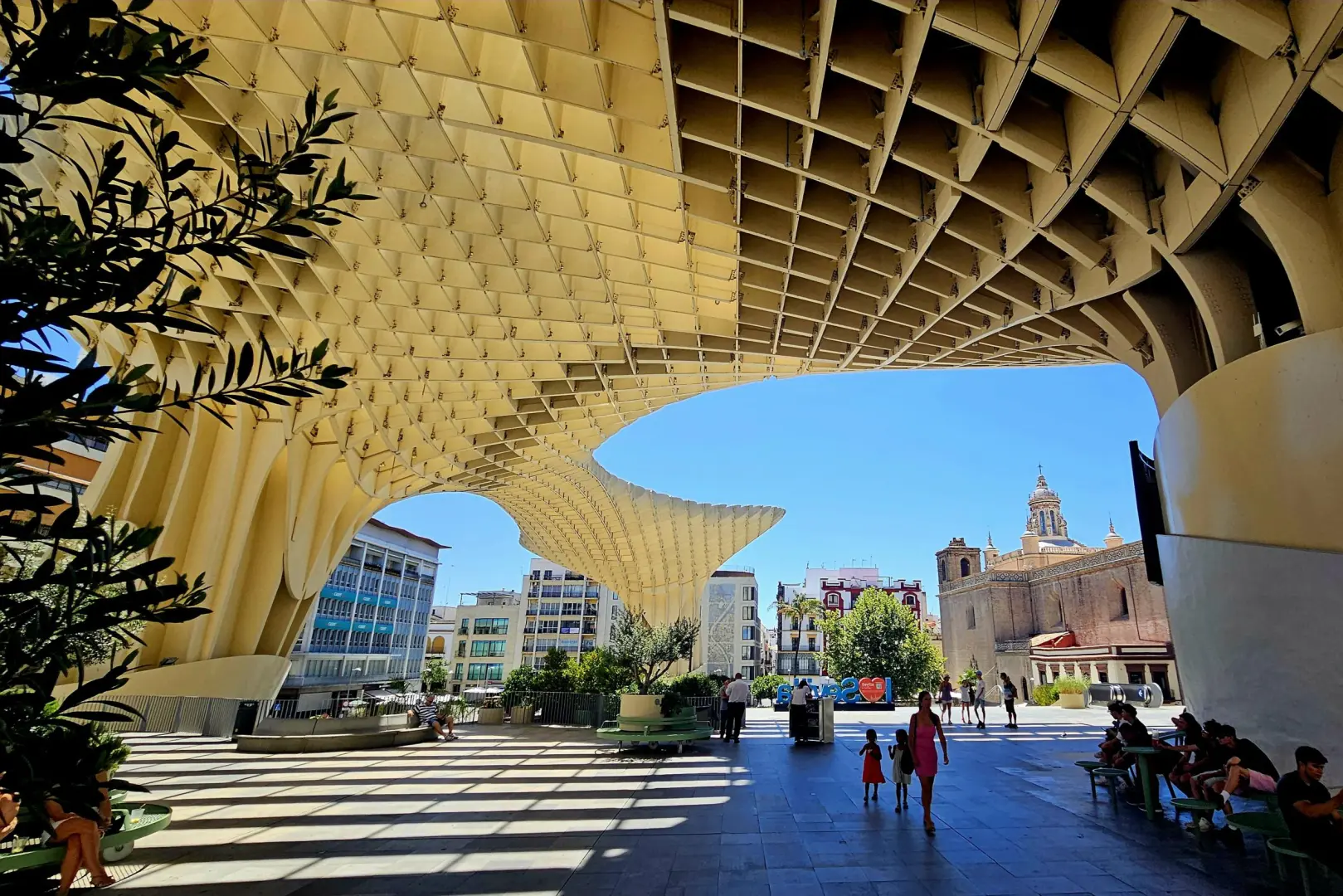
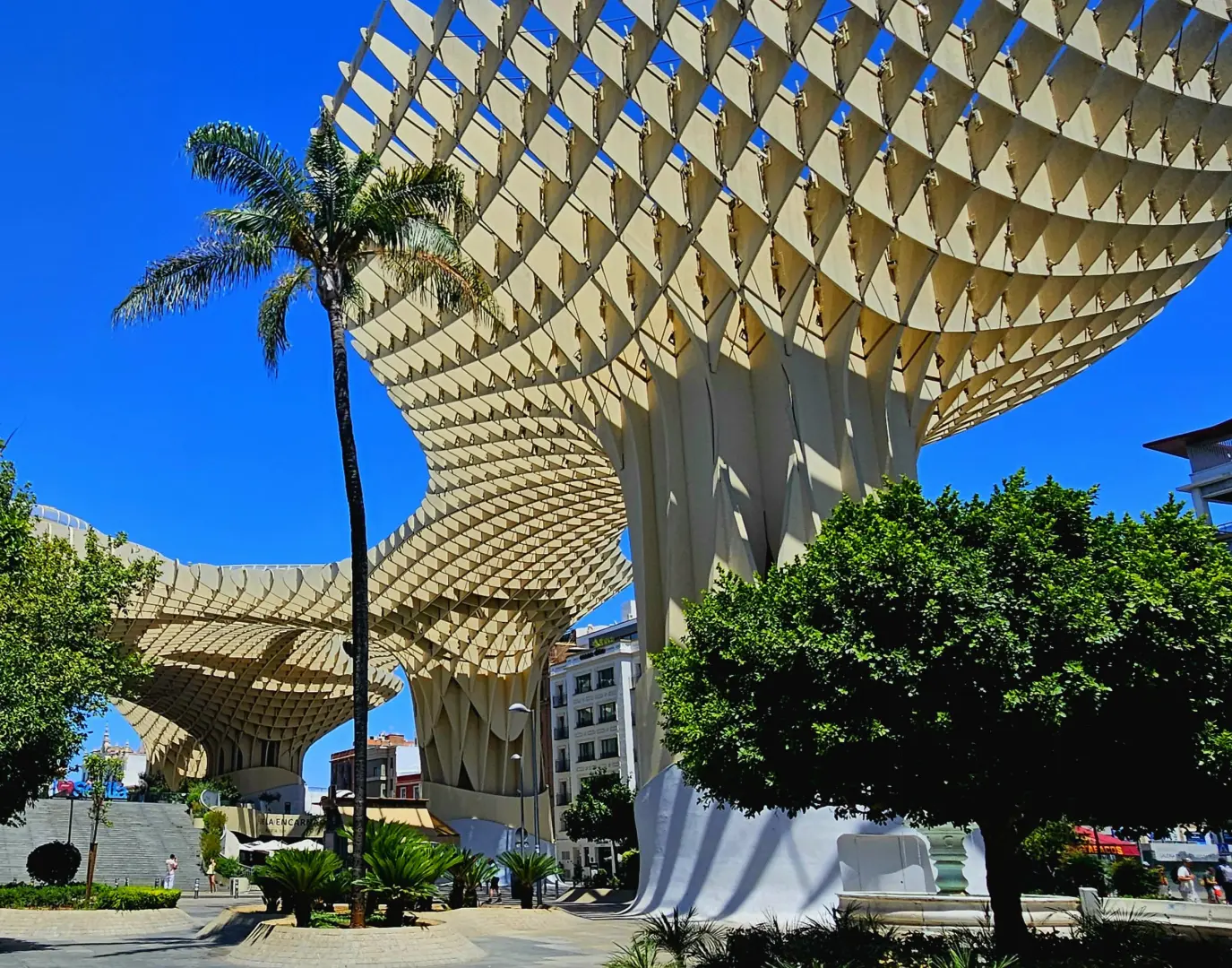
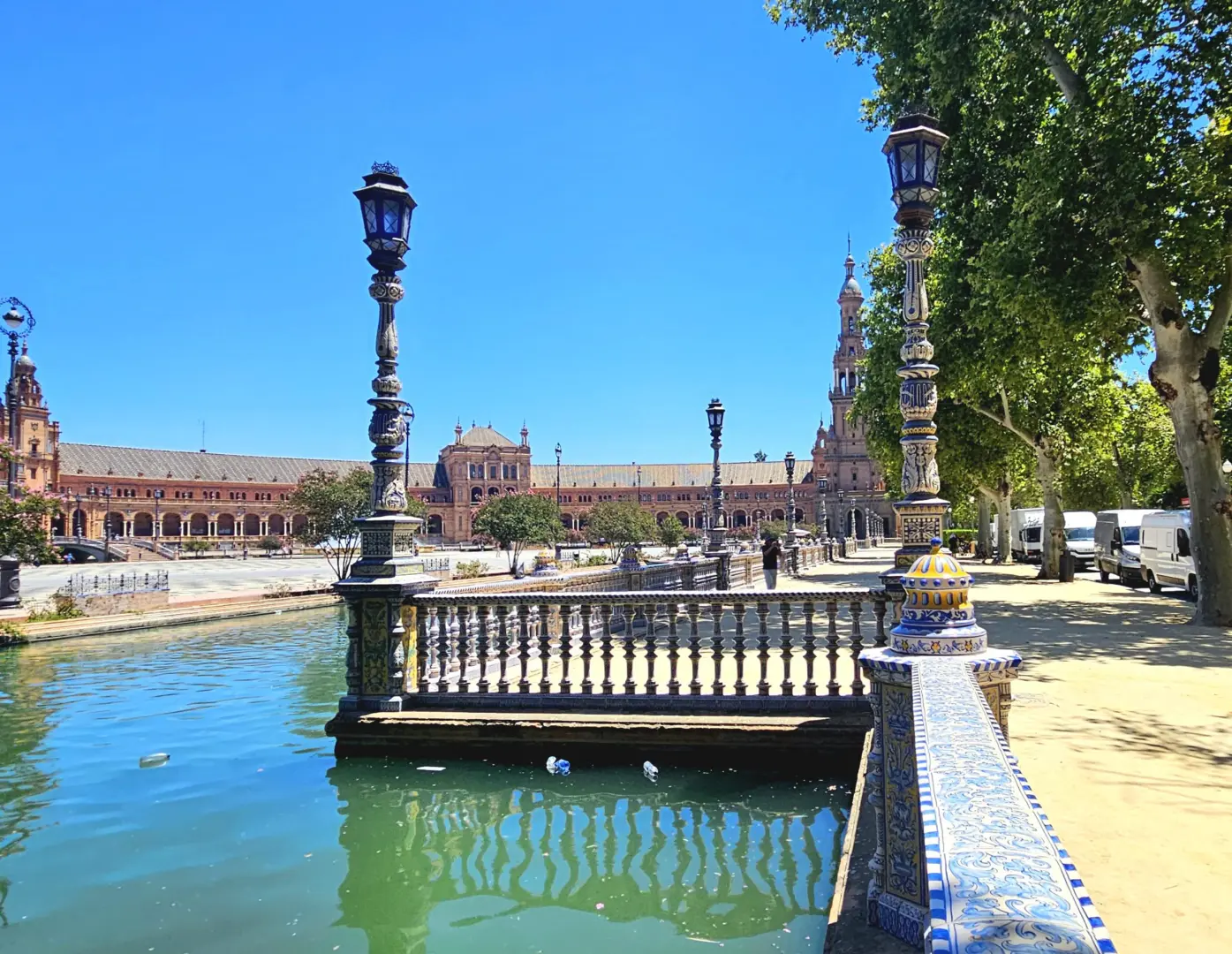
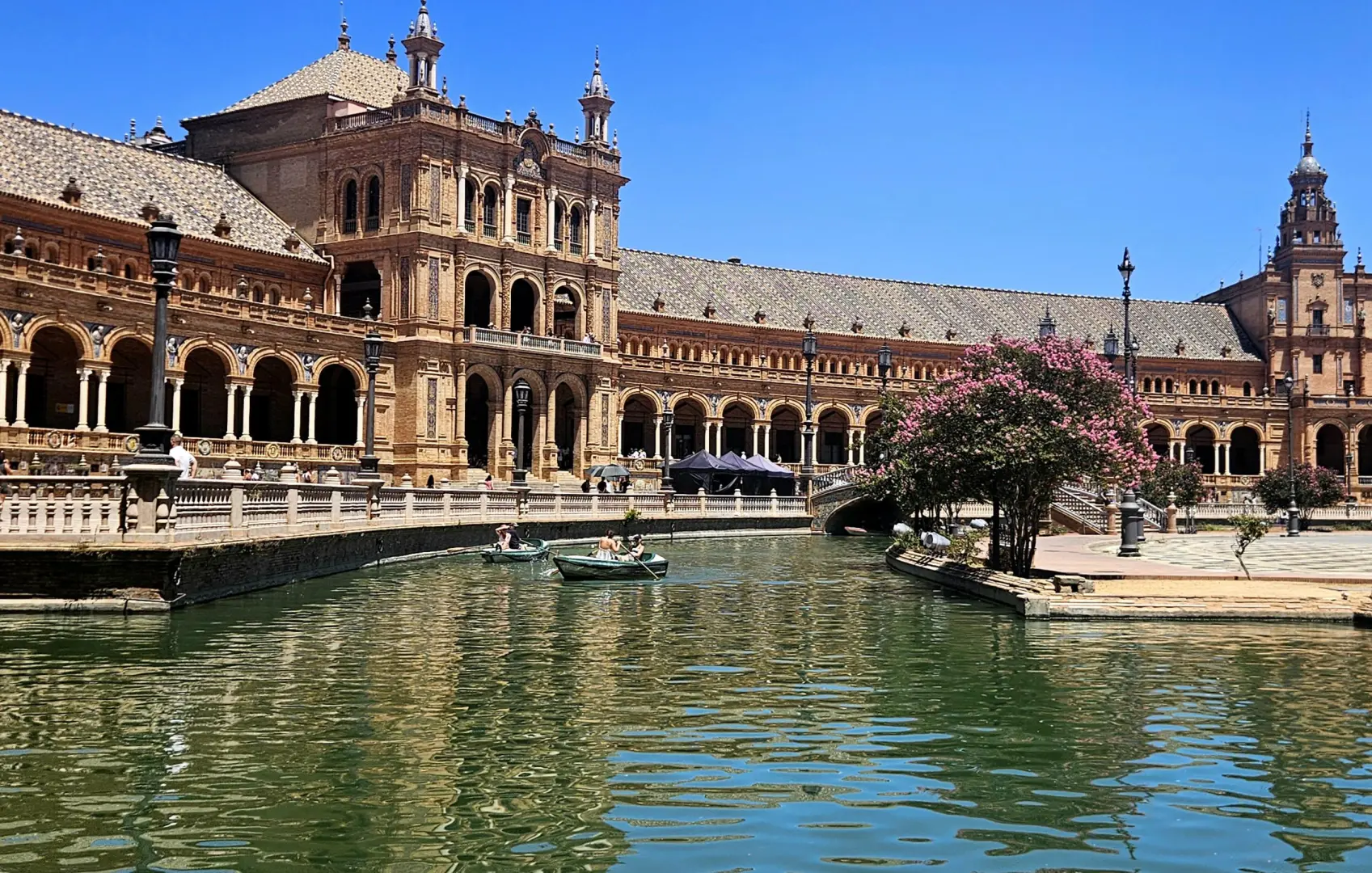
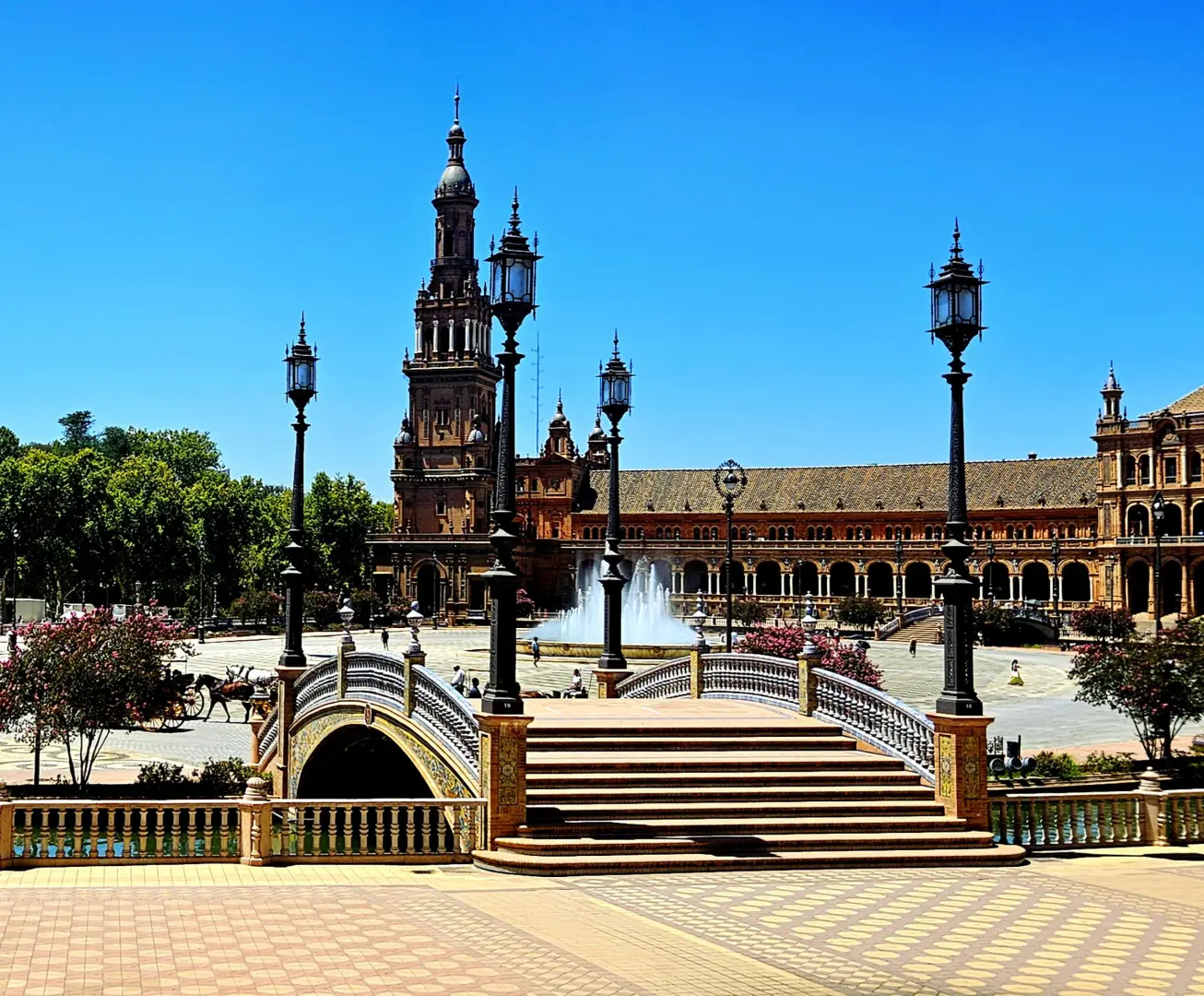
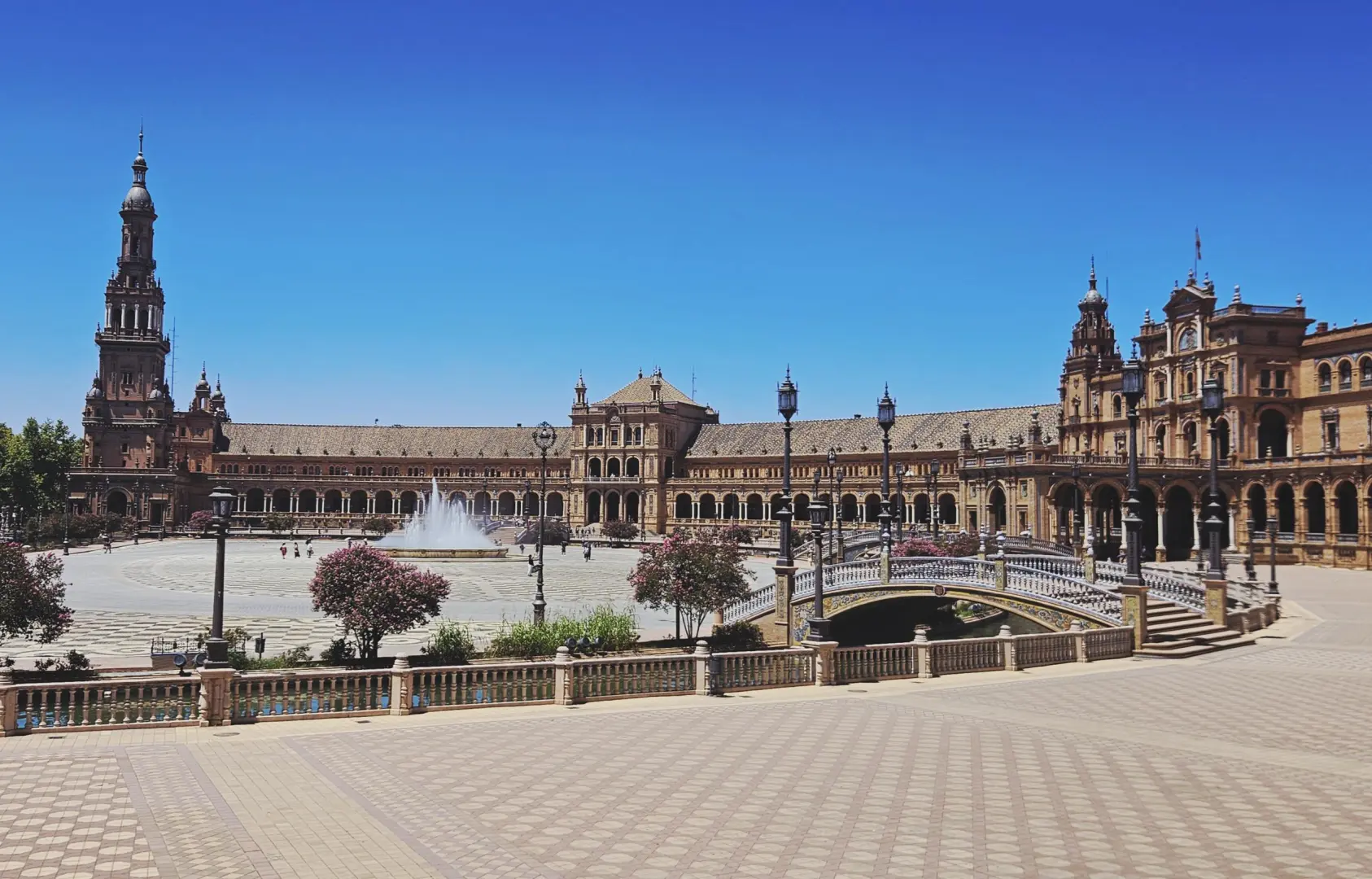
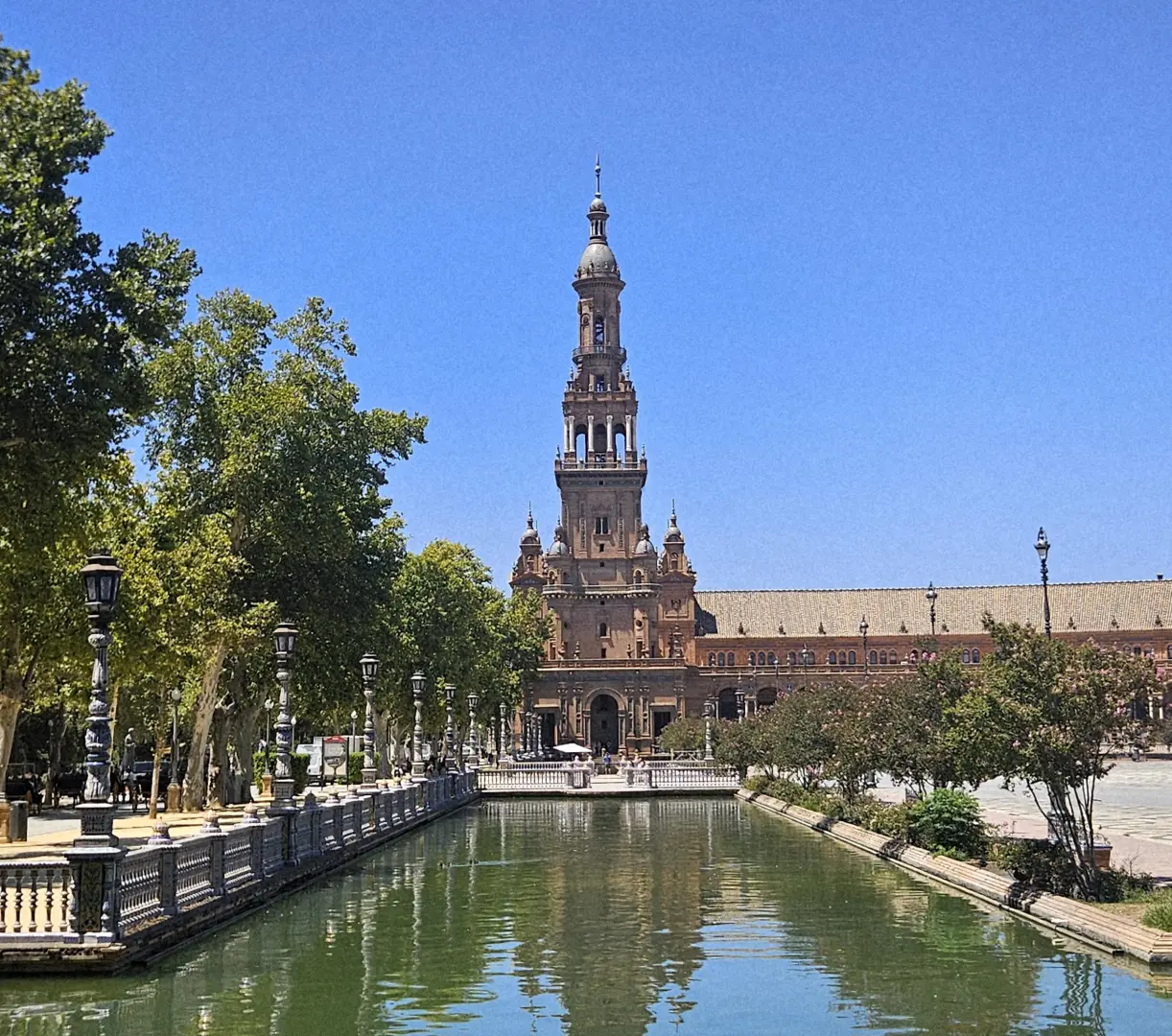
Seville is home to many famous landmarks. Among the most notable are: the world’s largest Gothic cathedral, the magnificent Plaza de España in María Luisa Park, the Torre del Oro, and numerous beautiful parks. In Seville, you don’t even need a museum—the city itself is a museum. It’s an architectural tapas platter: a bit of Moorish, some Gothic, a splash of Baroque, and plenty of “what the hell is this?” Like the Moors, kings, and a few eccentric artists teamed up for a joint Pinterest board.
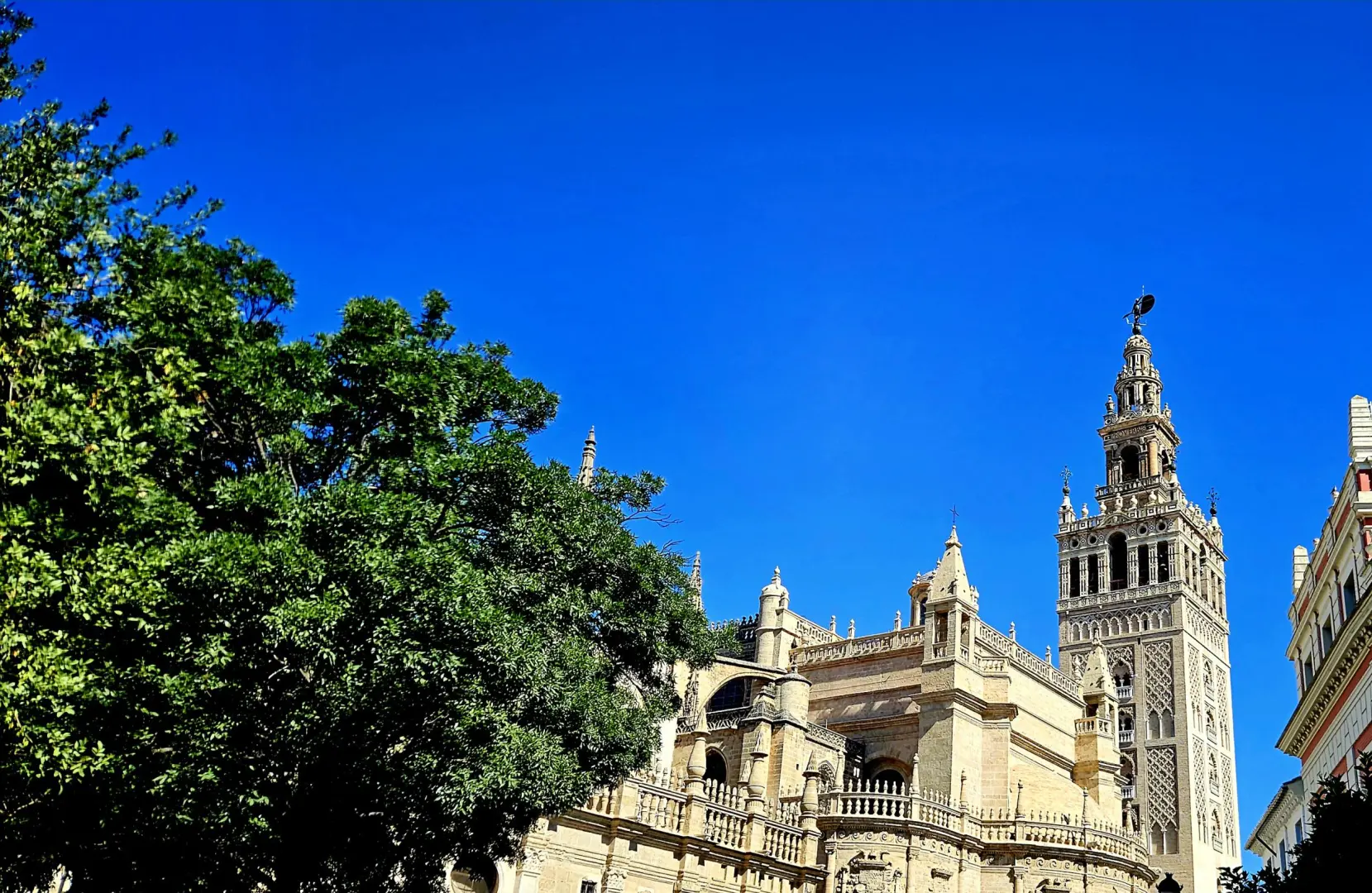
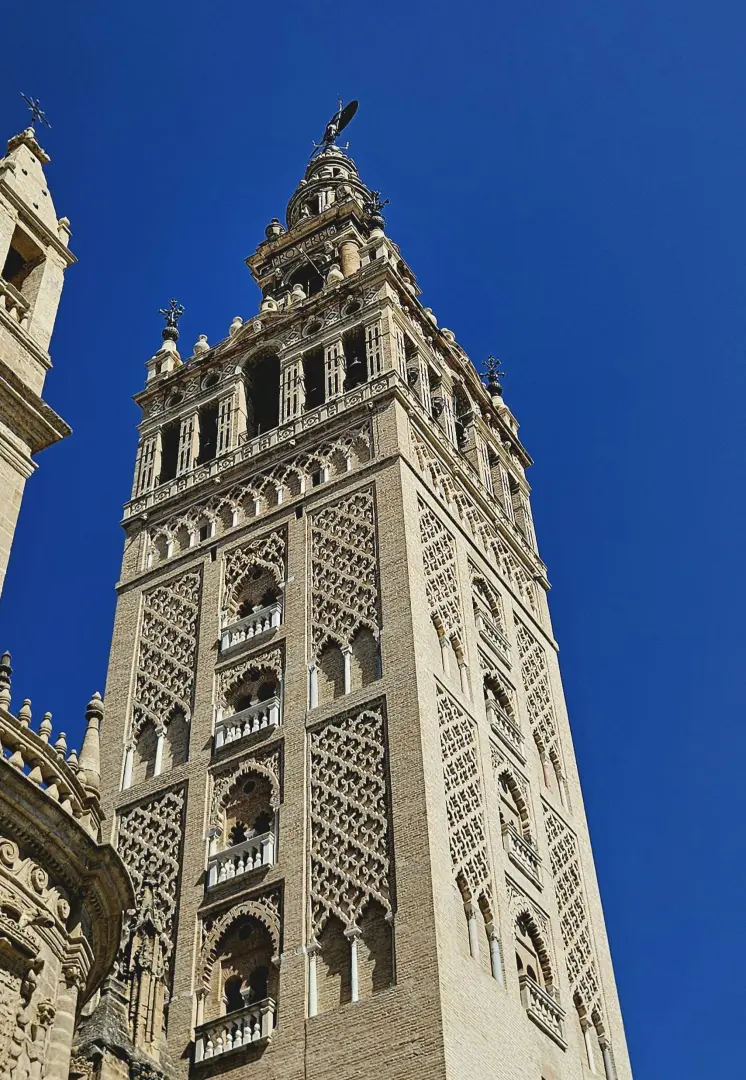
Everywhere you look, something is blooming, jutting out, glowing, or looking like a palace from a Disney cartoon. When the Arabs arrived in the 8th century, they left the city one of its greatest treasures after mint tea: the Alcázar palace and the Giralda tower. Moorish magic. A style that feels like Aladdin and Gaudí tripping together over tiles.
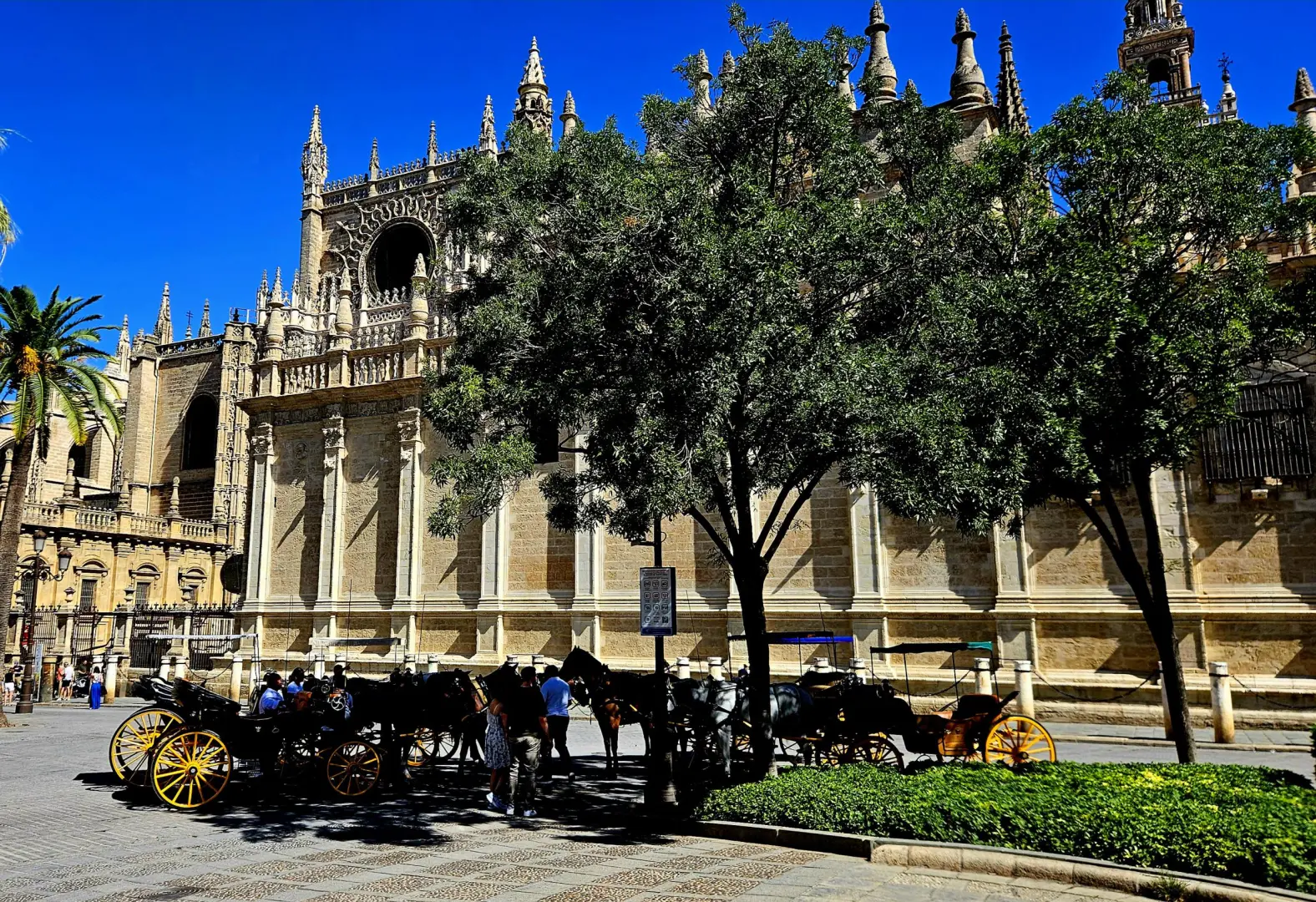
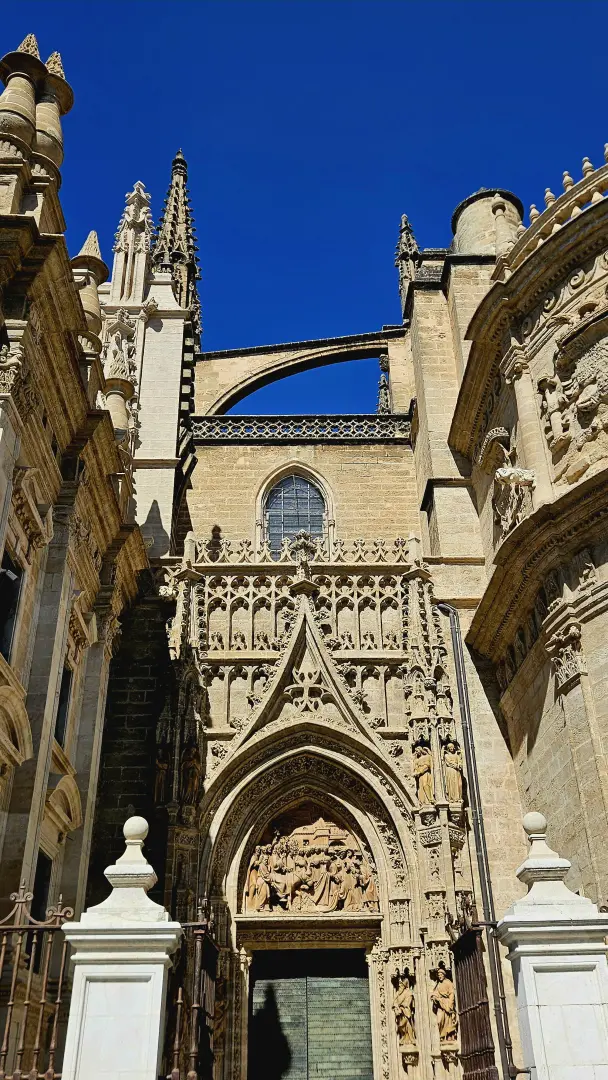
When the Arabs left this beautiful city, the Christians built a cathedral and said: “Let’s make something so massive that everyone knows our faith—and ego—is bigger than the Giralda.” Christopher Columbus is supposedly buried in this cathedral, though judging by how many countries claim the same, he’s probably a clone. The Baroque churches in Seville are like Spanish soap operas: full of emotion, shiny kitsch, and dramatic lighting. You might have a spiritual epileptic seizure. Angels are everywhere, staring at you like they’re saying, “Hey, why aren’t you in the chapel, sinner?!”
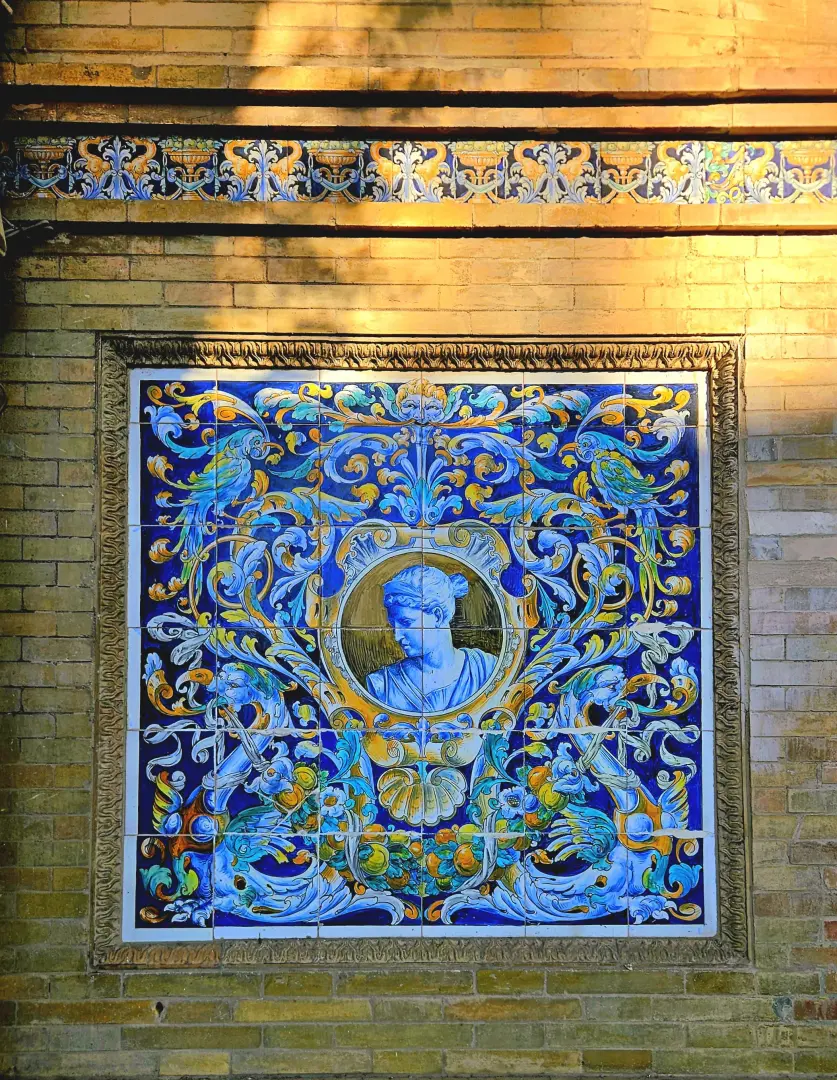
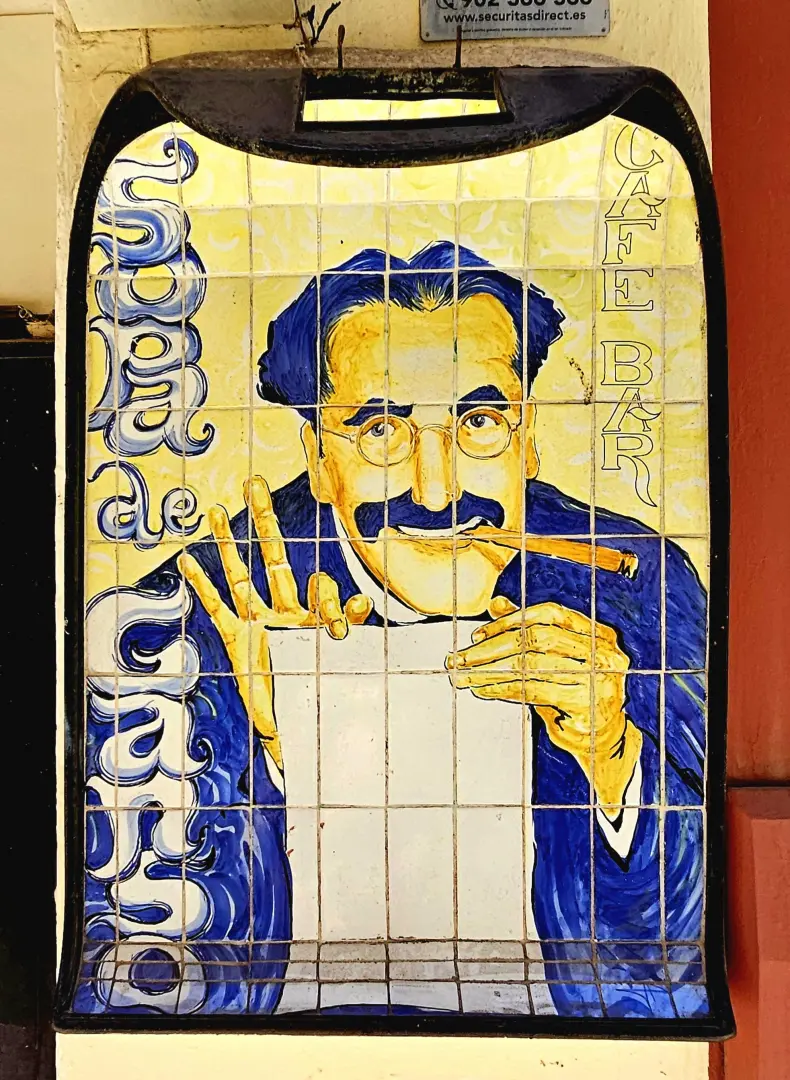
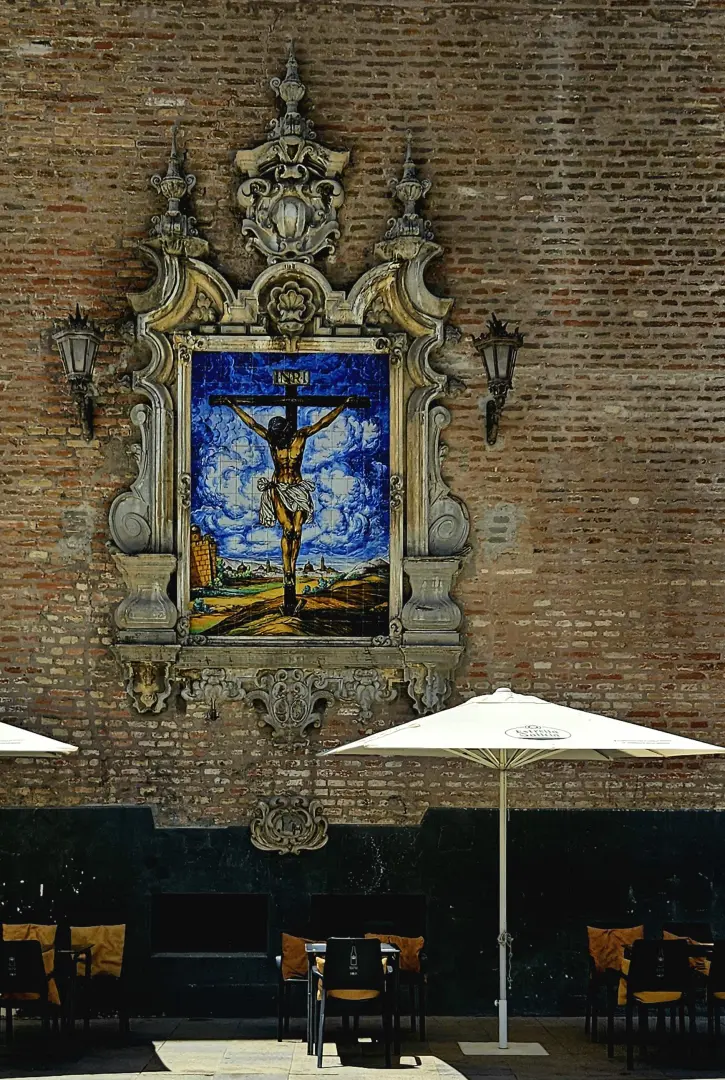
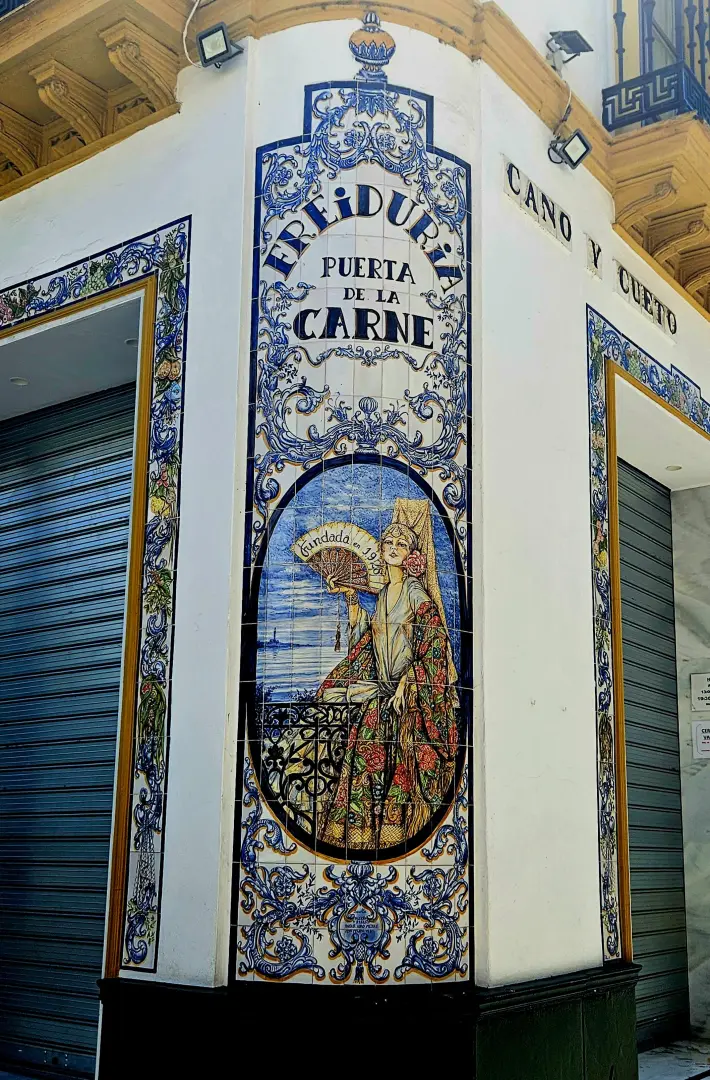
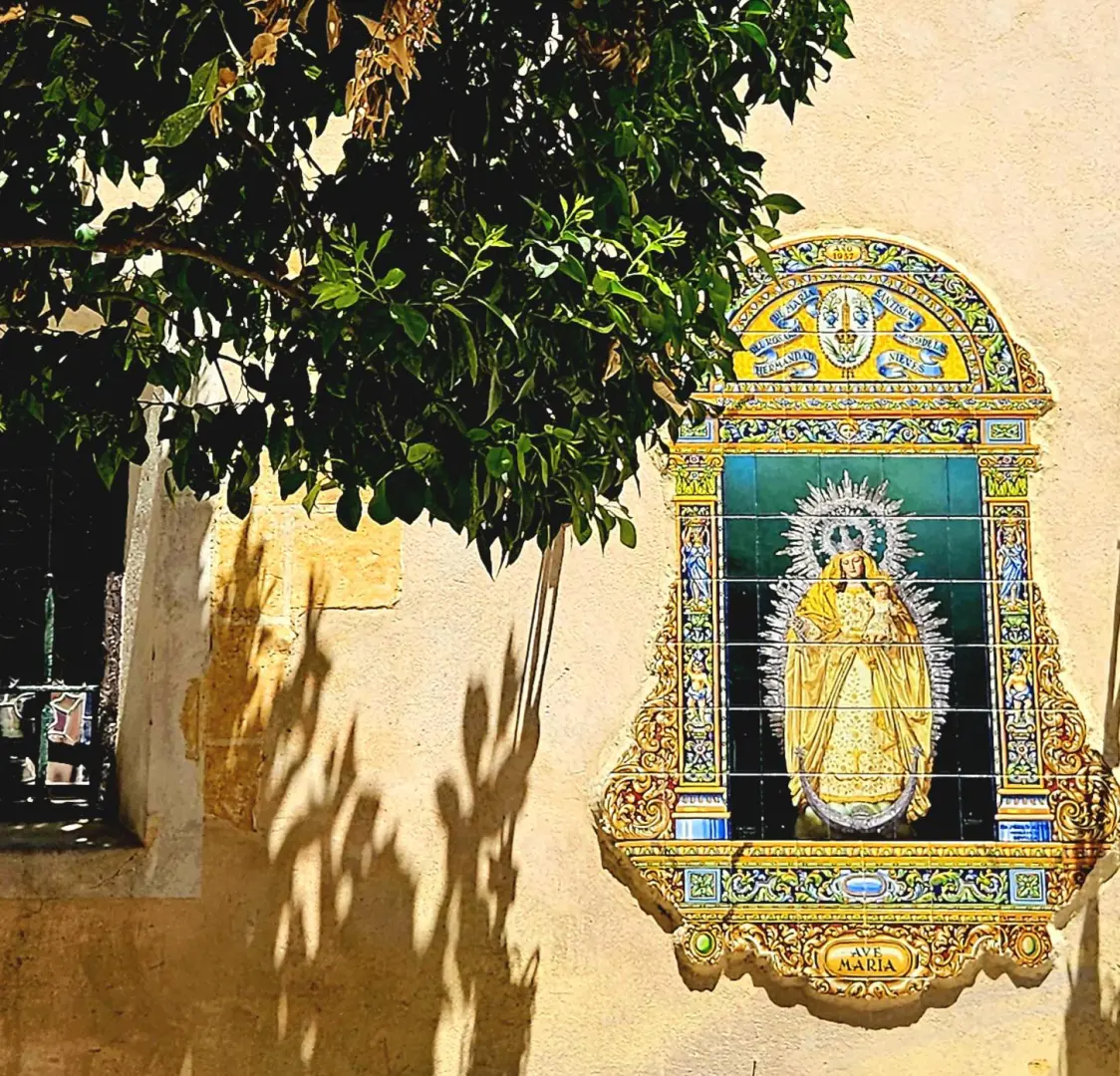
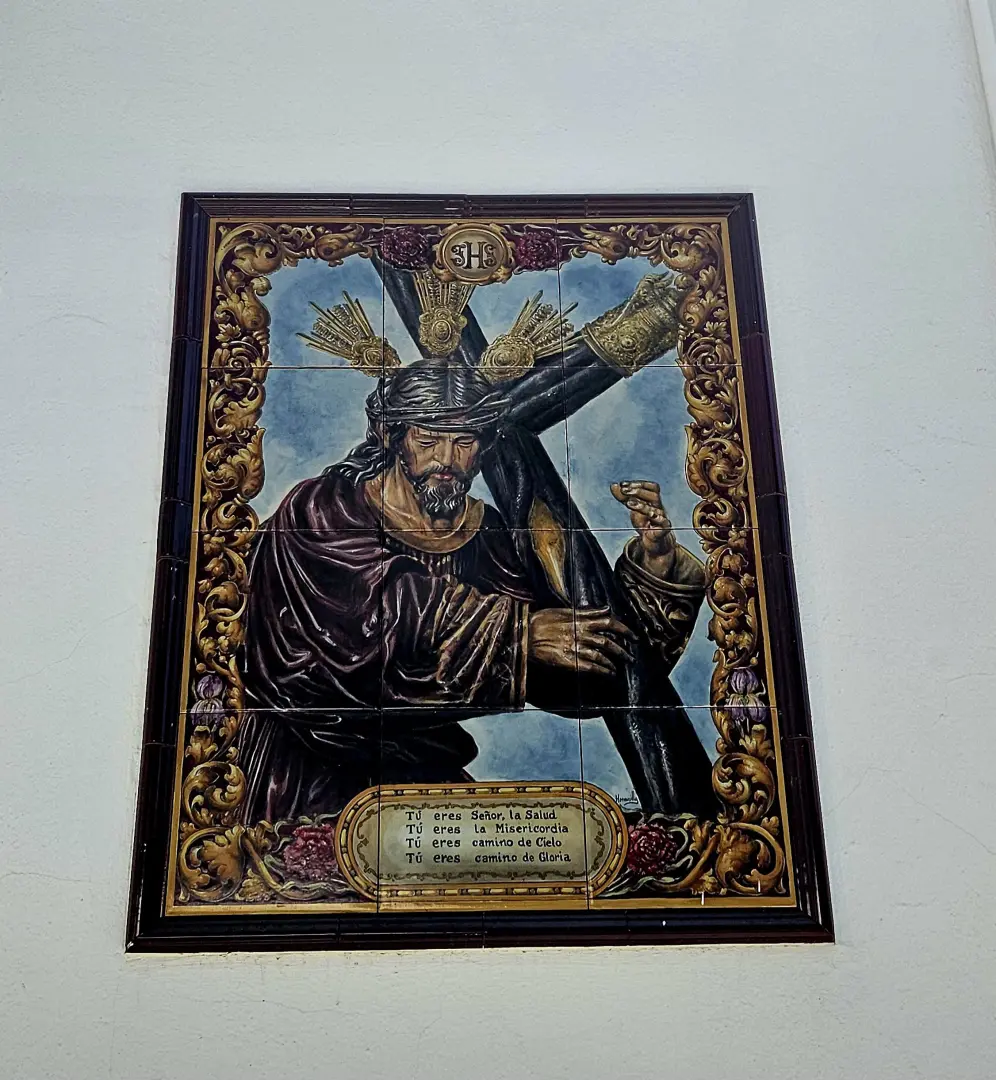
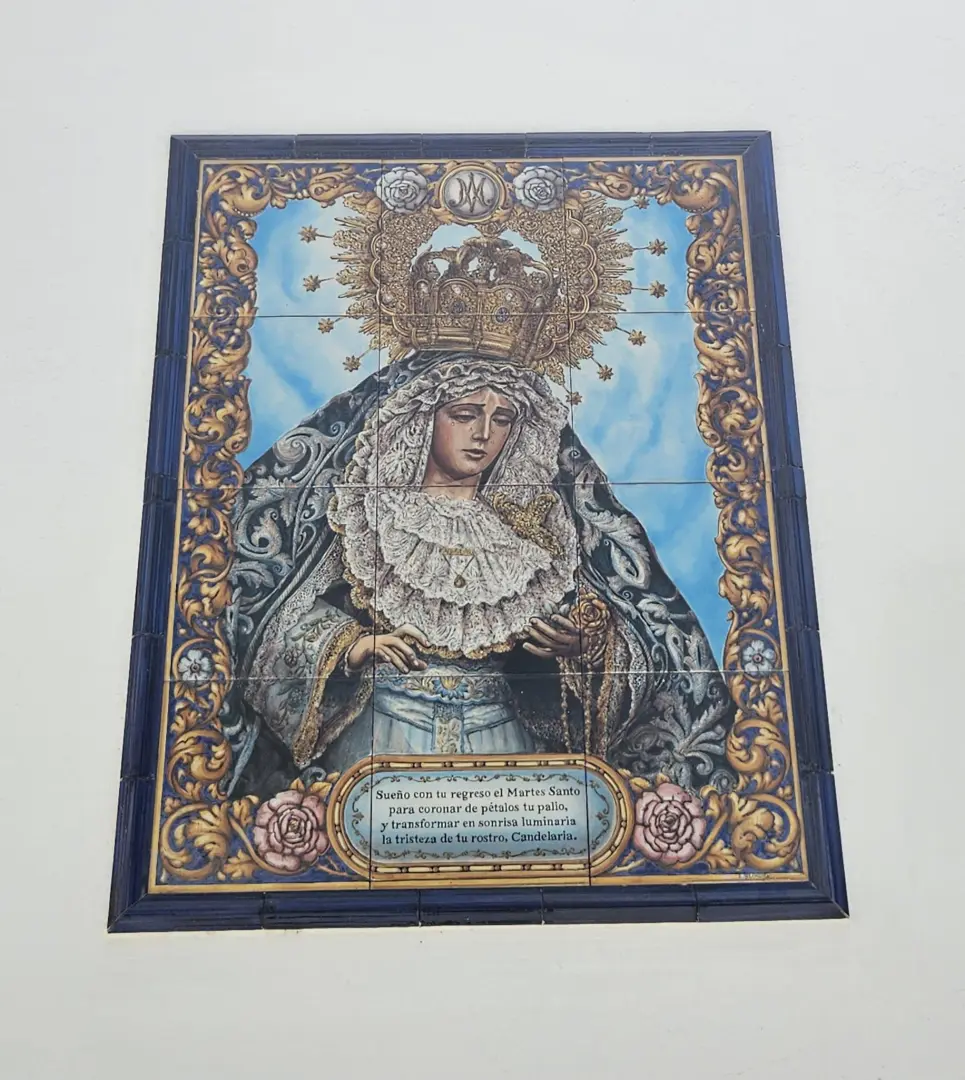
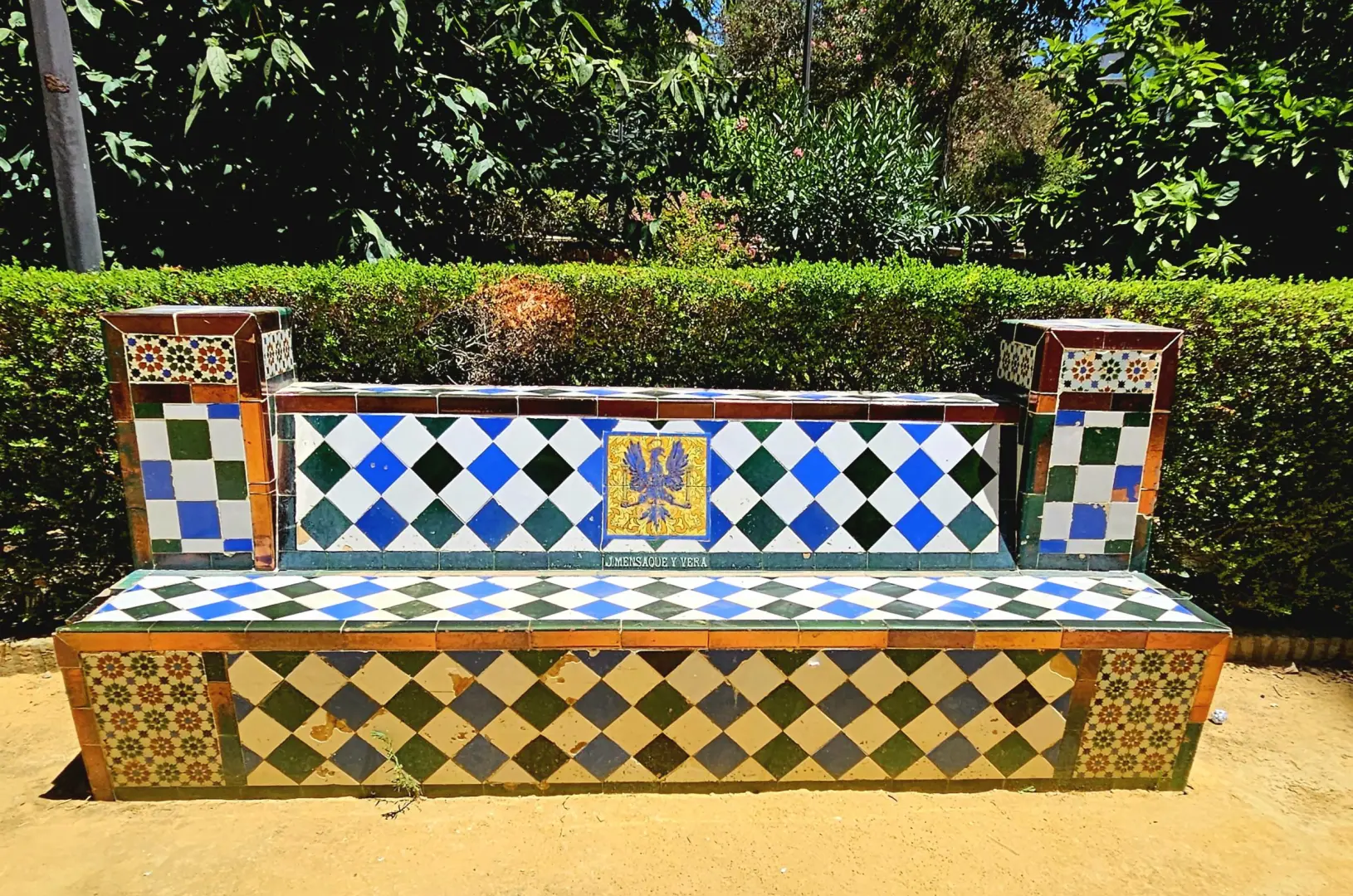
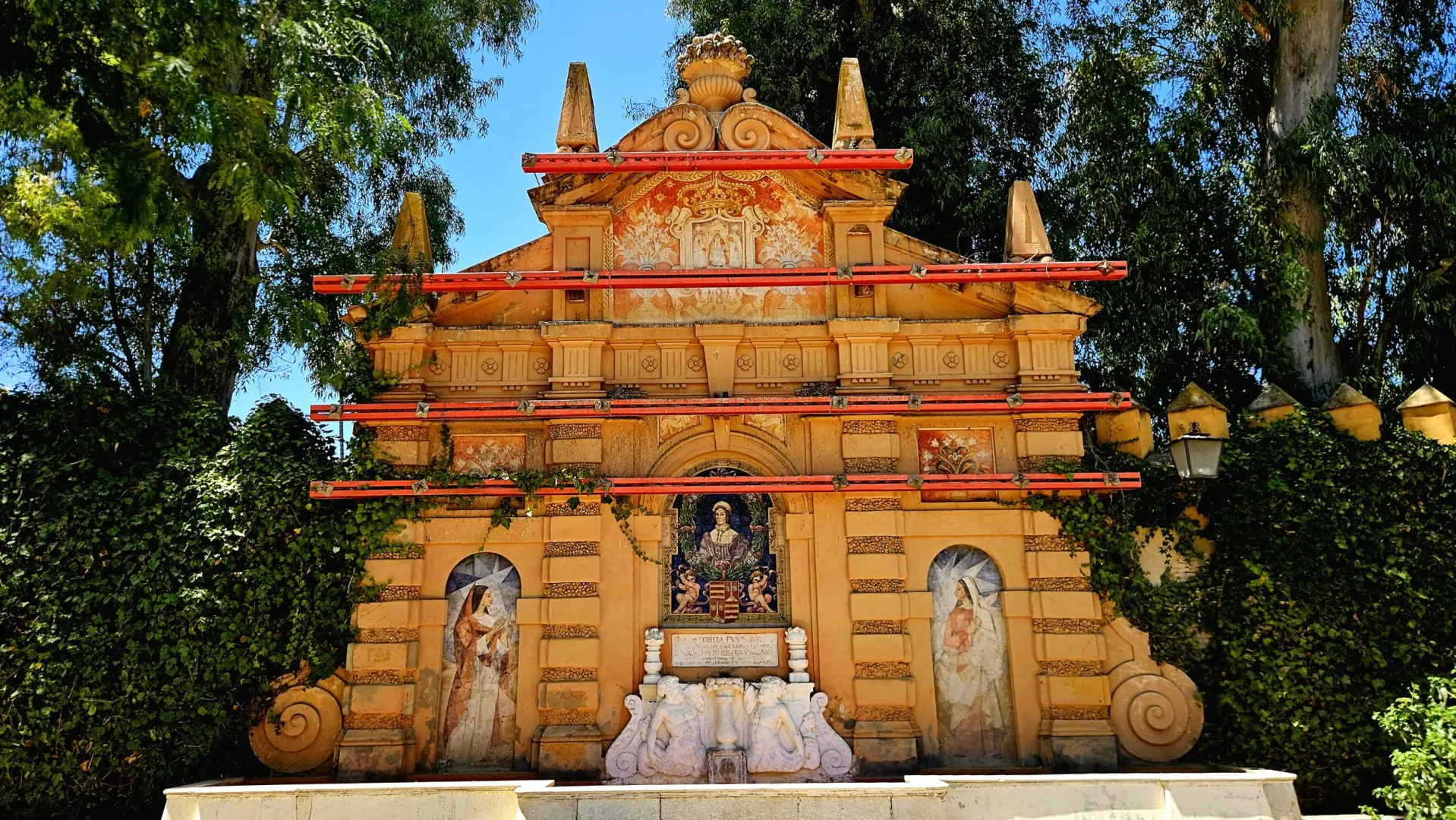
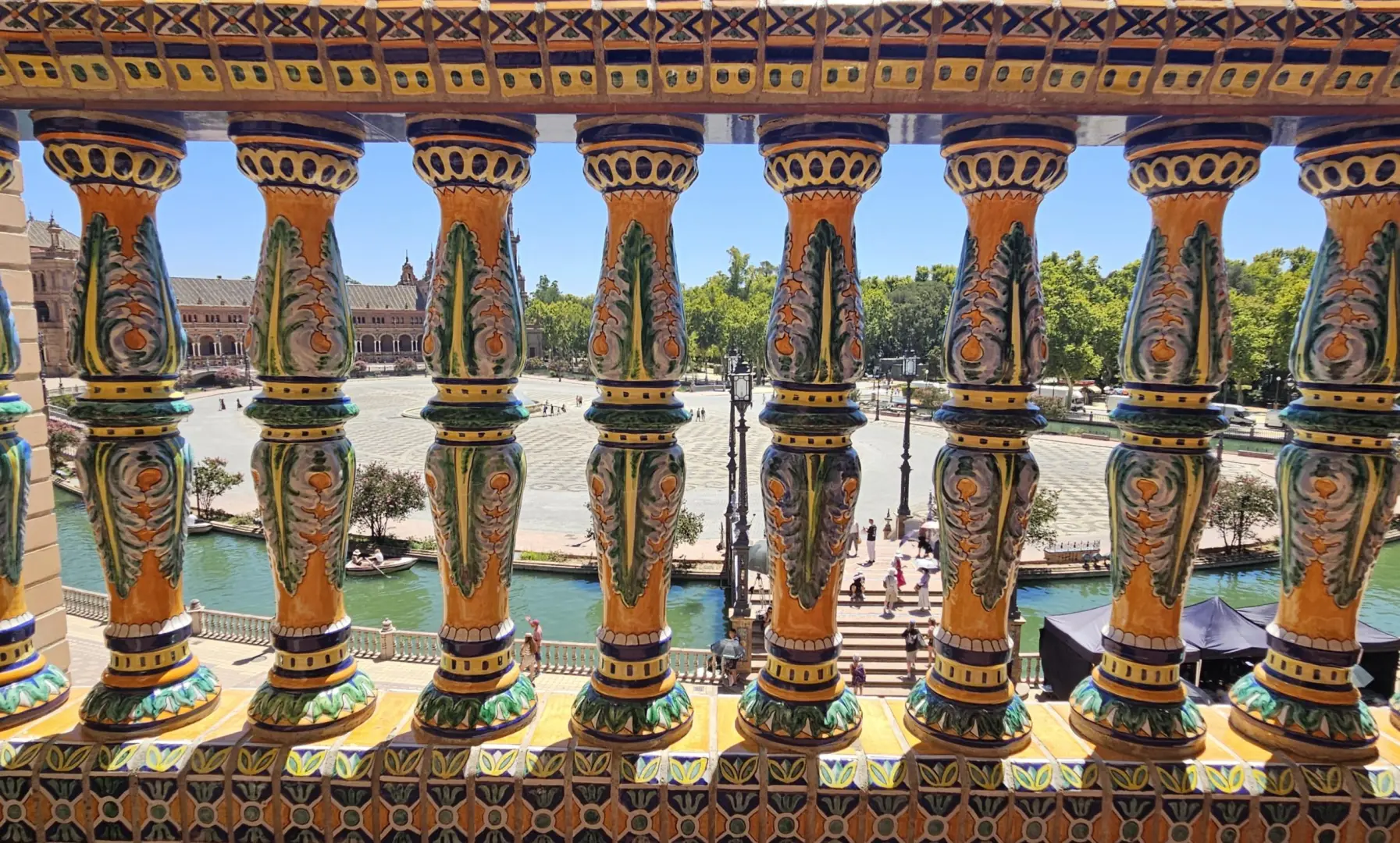
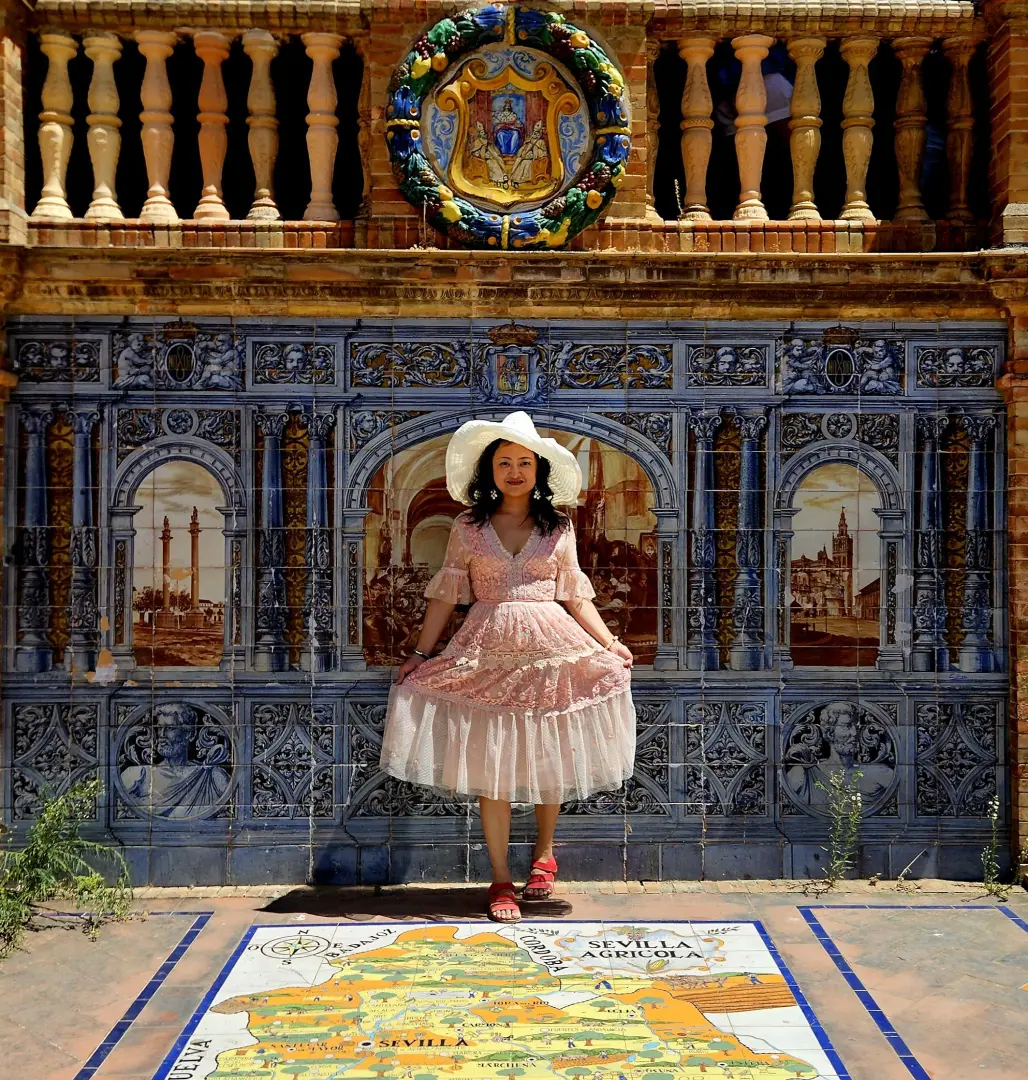
There’s not a single wall in Seville without tiles. If tiles to you mean the thing you stare at while peeing or brushing your teeth, then visit Seville—where tiles are more sacred than morning coffee and tapas. They show Virgin Marys who either bless you from balconies or judge underdressed women; wine, battles, shepherds, missing sheep, and famous events from who-knows-when. Tiles cover churches, public buildings, sidewalks, stairs, balconies, flowerpots, and bridges…The city is also decorated with horse-drawn carriages—romantic, until you realise 600 kilograms of horse reality is breathing down your neck in Andalusian heat.
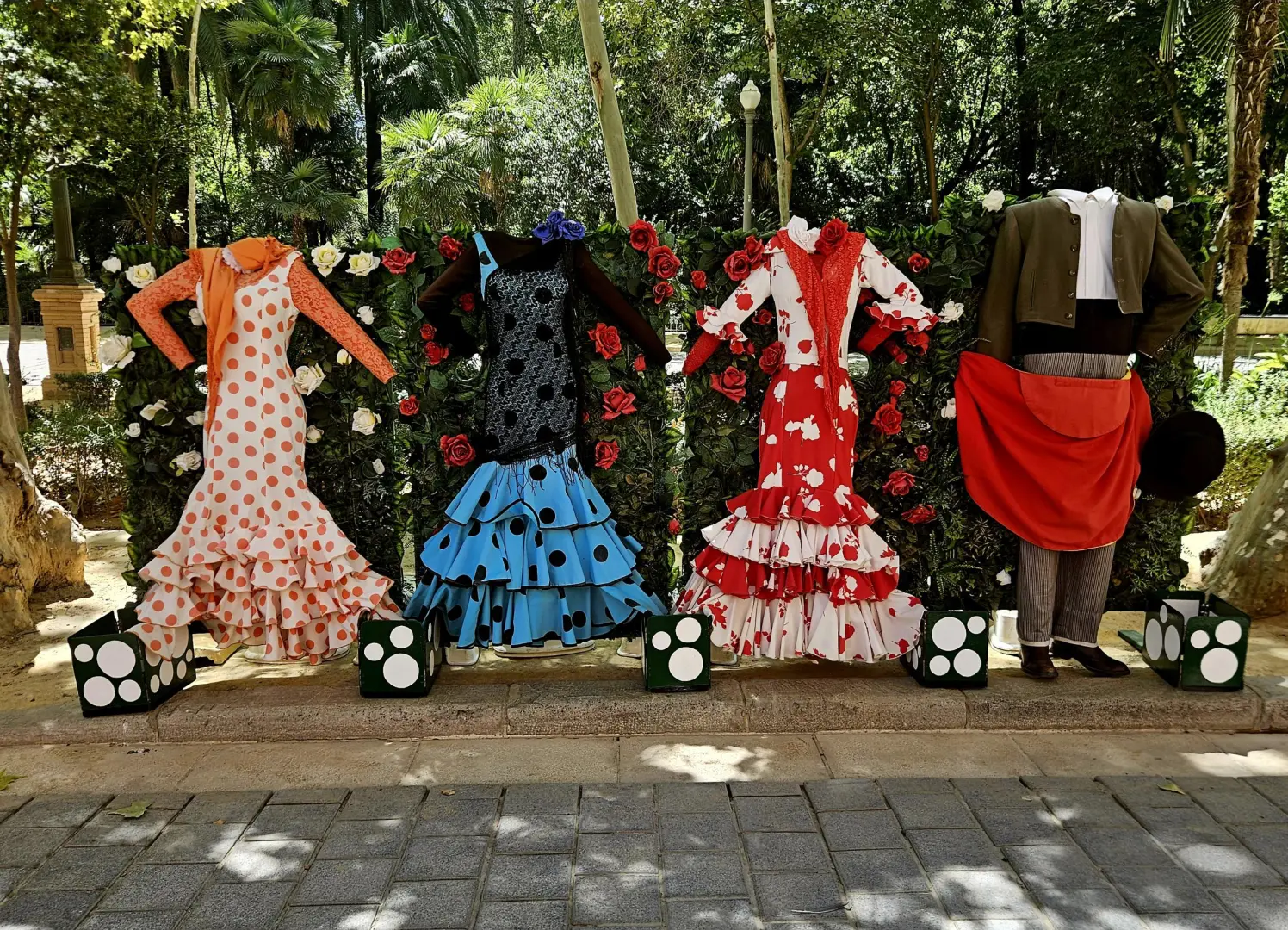
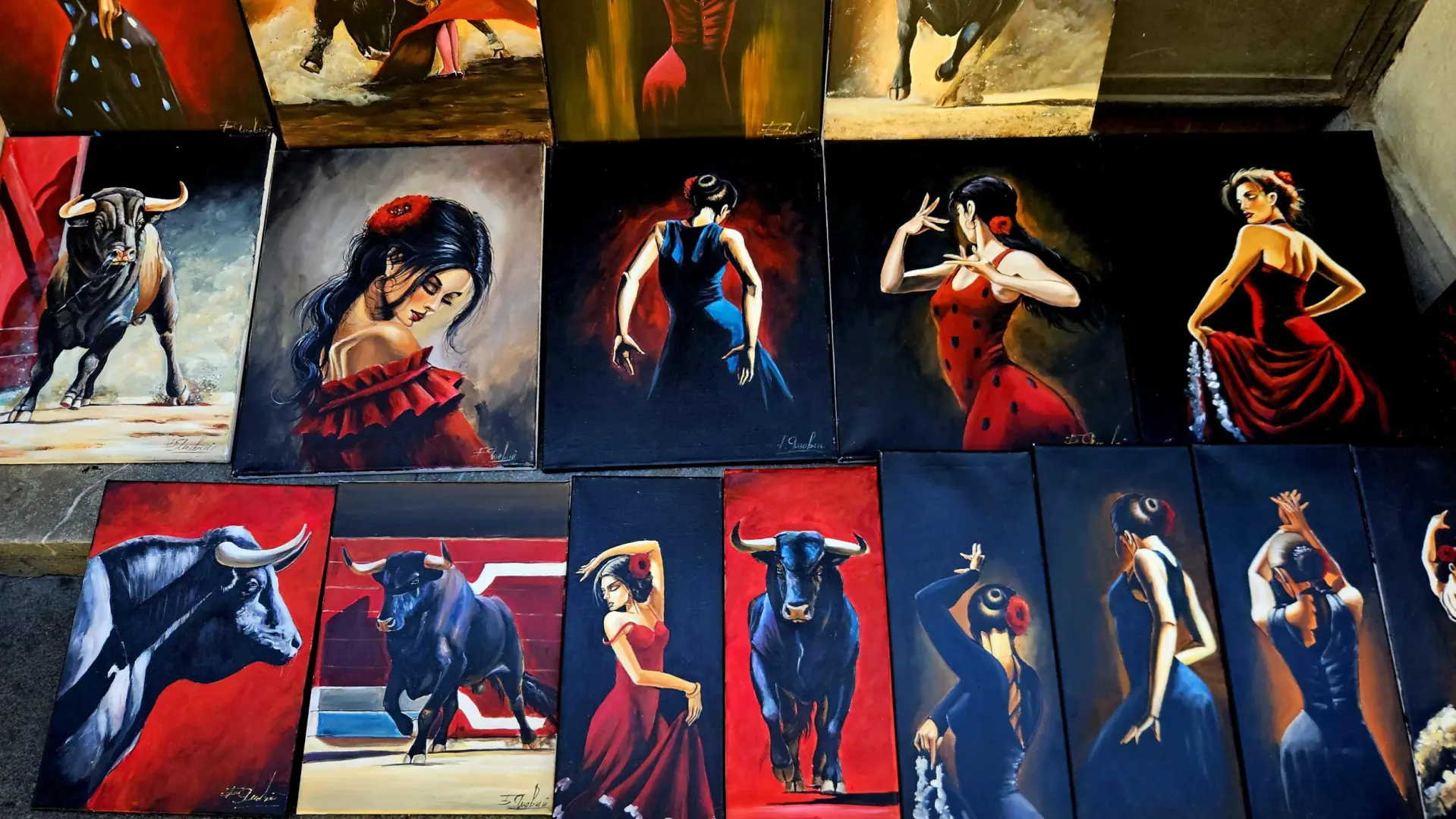
Who are the Sevillanos? An evolutionary blend of temperament, flamenco, and a holy conviction that Seville is the centre of the universe. If the Sevillano ego could be measured in decibels, you’d need earplugs by the first “¡Olé!” Even when going out to buy bread and ham, they’ll look like they’re headed to dance with royalty: shoes polished, shirt ironed, beard trimmed with golden precision. Comfortable clothes? Not a thing. Seville is a temple of beauty—and beauty demands sacrifice.
Sevillanos cling to faith like a drunk to a lamppost. Here, faith is a dramatic, museum-like, musical and emotional spectacle—with more stage direction than Broadway and more tears than your favourite Netflix drama. This isn’t a place for quiet corner prayers. No, here one prays in processions—with drums, candles, incense, and a heavy statue of the Virgin Mary carried on shoulders and followed by at least 300 spectators.
Seville does not care for minimalism—even God here has a flair for style. If you’re going to worship Him, do it with a Mercedes, a golden crown, and a flamenco dress. Even Jesus isn’t just a humble carpenter from Galilee. No, here He’s El Señor, draped in silk robes and paraded through town surrounded by more candles than IKEA’s entire lighting section.
They feel this faith so strongly that if you say you have no relationship to it, they might just exile you from the bar. The Virgin Mary has more statues in Seville than Ricky Martin has hits. Seville is not just a city you visit—it’s a feeling that gets under your skin. Once you’re walking its pavements, hearing flamenco from a balcony, and sipping wine under orange trees, it feels like you’ve stepped into a movie you never want to leave. Everything there breathes with a quiet confidence, as if it knows it’s beautiful—and it’s right. Seville doesn’t try to make you love her. She just is. And you do.
If cities had personalities, Seville would be that fiery aunt at family dinners: loud, well-dressed, a bit dramatic, but always the most interesting person in the room. This isn’t a place that grows on you slowly. Seville hits you at once—with sun to the head, the scent of orange blossoms, and flamenco in your soles. Life here isn’t something that just happens—it’s lived loud, fully, and beautifully. Seville isn’t just another dot on Spain’s map—it’s a mood, an exhibit, and a stage all at once.
24.7.2025